Garbage and Wildlife
It is a common sight in the city to spot a huge number of birds, cats, dogs, rats, etc., around a garbage pile. It has become so common that we are now immune to seeing such scenes. But now imagine you are trekking in a pristine location where you are surrounded by snow-capped peaks and lush forests. And here you come across a pile of garbage, and see wildlife thriving! How does that make you feel?

In a country like India which is densely populated and where land is limited, there is more and more need to create spaces for the wild fauna and flora. While there are examples of peaceful coexistence, one also needs to wonder if these shared spaces we have now are truly inclusive in accommodating the hundreds of species of birds and animals we share this limited space with.
During our treks and hikes in Uttarakhand, Kashmir, Ladakh, Himachal Pradesh, it was not uncommon to see garbage piles near settlements. It is an inevitable by-product of human activities. In smaller towns, the situation of garbage is worse since the number of tourists and human settlements are higher and denser.
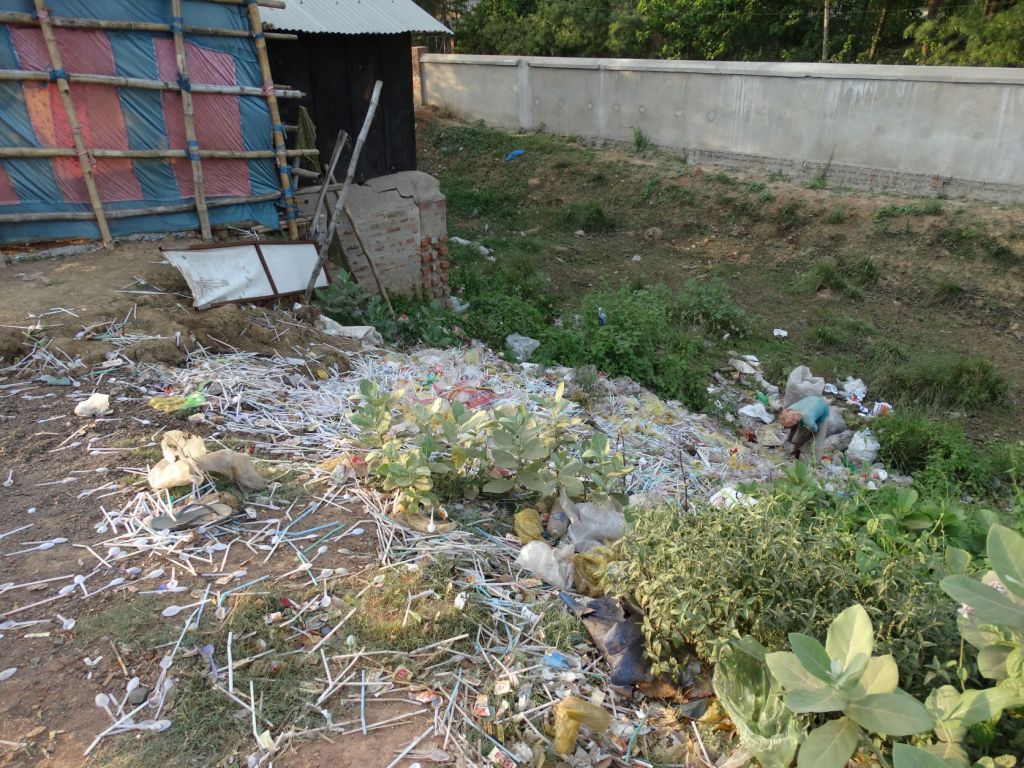
A recent study in India studied patterns of animal and bird visitation and foraging behaviour at garbage dumps in Uttarakhand, during peak tourist season. Their study emphasized the urgent requirement of a waste segregation system and more awareness amongst both locals and tourists. Past studies have already highlighted that garbage dumping sites have health implications on wildlife. There have been numerous documentations of finding plastics in the faecal matter of wild animals. In fact, just last month (June 2022), scientists reported finding glass and plastic in elephant dung!

Ingestion of plastic by wildlife can cause toxicological issues, lead to damage of digestive tract, disrupt reproductive patterns, affect fitness and growth etc. What is worse is that some researchers argue that an ecological shift is happening where few species in some areas become more dependent on anthropological food waste (Geetanjali Katlam quoted in Down To Earth).
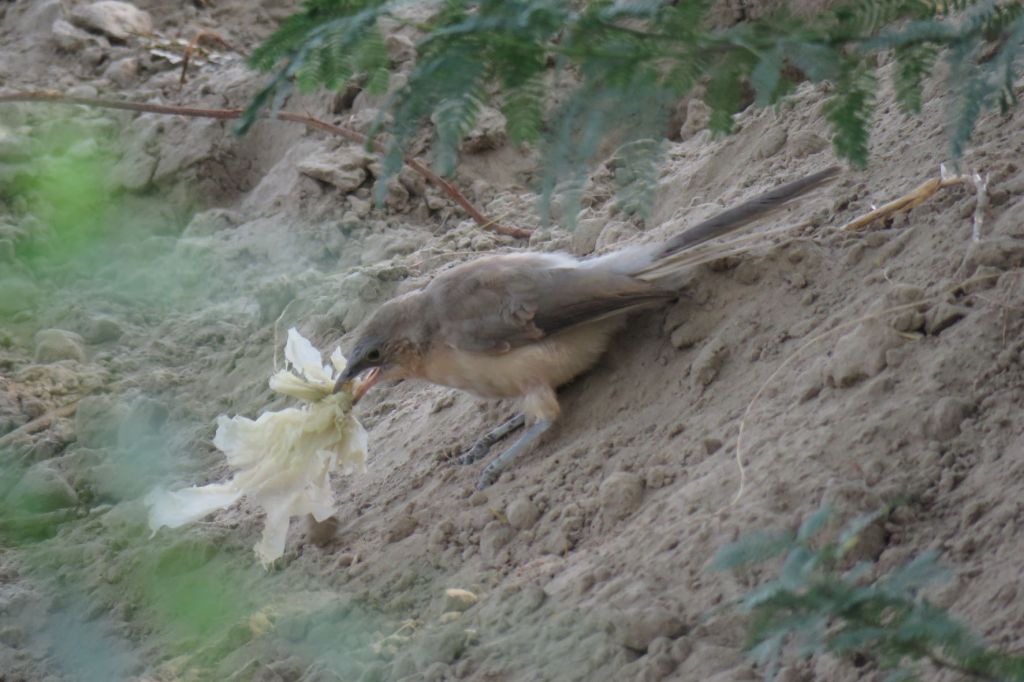
As tourists, we really need to be mindful of the trash we leave in places we travel to. Local governments also need to rethink how to manage waste in their areas particularly if they attract a huge number of tourists. We also need to understand that leaving trash in pristine habitats is not only a threat to wildlife but it has other environmental implications which may not be within our field of vision.
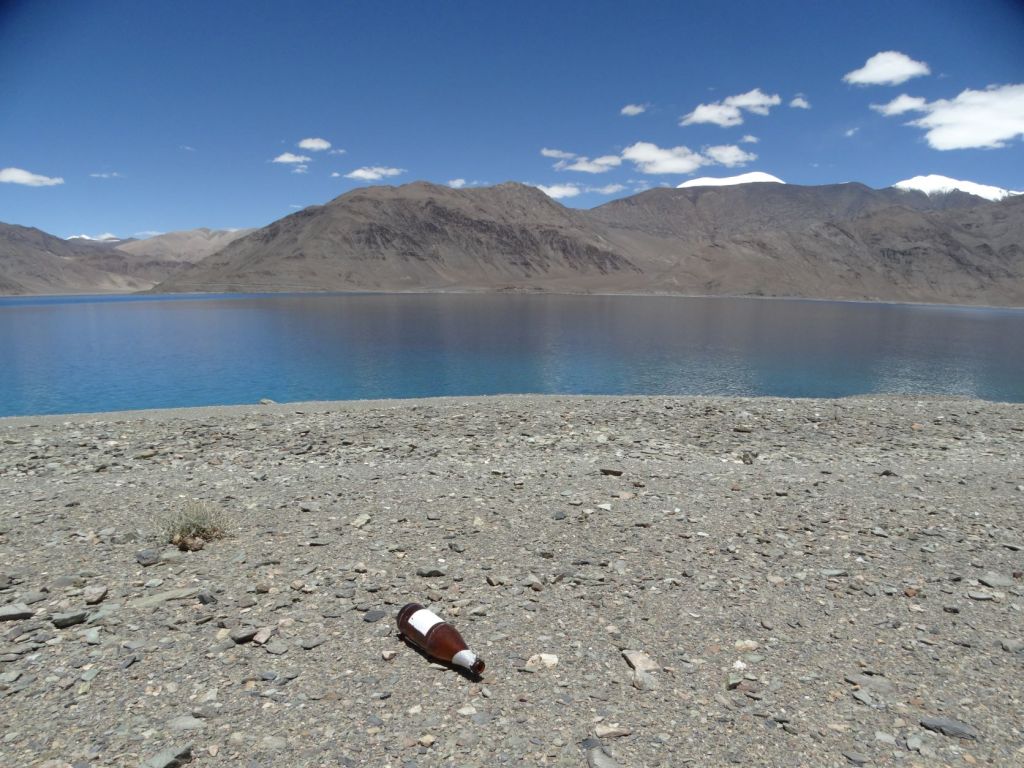
So what can we do?
When you are out there in a pristine location, make sure that you do not leave back the trash that you produced. Carry it with you! Carry it and dispose it in the right way in a designated garbage site of a human settlement, preferably a city. Ideally, even that is not the best solution. But it is a small step in the right direction. The generation of trash is inevitable of course, but the process of planning your trip well with an aim to minimize that trash is something that you must think about.
Education and Awareness backyard camping carryyourtrash climatechange DoNotLitter dumpingground earthlynotes ecotourism environment garbage garbagedump garbagemanagement hiking himachalpradesh himalayantreks himalayas indianwildlife kashmir litterfree littering litteringisbad microplastics nature natureobservation naturephotography pickuptrash plasticban plasticpollution plasticwaste pollution soilpollution solidwastemanagement storyofplastics theearthlynotes trashingtheplanet trashinoceans trashtalk trashytales uttarakhand wastemanagement wheredoesmytrashgo wheredoestrashgo wildlifeofindia wildlifewatch

Earthly Notes View All →
My name is Adithi Muralidhar. I am a nature enthusiast based in Mumbai, India.
 Earthly Notes
Relatable!
Recently, I was in Malvan and saw a black kite carrying a plastic wrapper in its mouth. Initially, I thought it found the food but I was wondering why it wasn’t flying away. And later, I realized that it was plastic. The plastic tricked that black kite twice and it was just disheartening to see. My trip was amazing because I observed so many birds (kingfisher, sandpiper, lapwing, Asian green bee-eater) on my morning walk along the seashore. The fact that so many of them were babies, made me happy because that meant their habitat was not in danger. But mindful tourism has to be everyone’s priority. It’s sad that some people come to beautiful places and don’t think twice before littering.
LikeLike
Indeed! Thanks for sharing!!
LikeLike