Watery Wetlands: Part 2
In my last post titled Watery Wetlands: Part 1, I took you through some beautiful wetlands of India. Even though I tried to portray a diverse set of wetlands, it still felt incomplete. There is so much more! So here is part 2 of the same post and I take you on yet another journey of wetlands found across India.
WEST: Nandur Madhmeshwar Bird Sanctuary (Maharashtra)
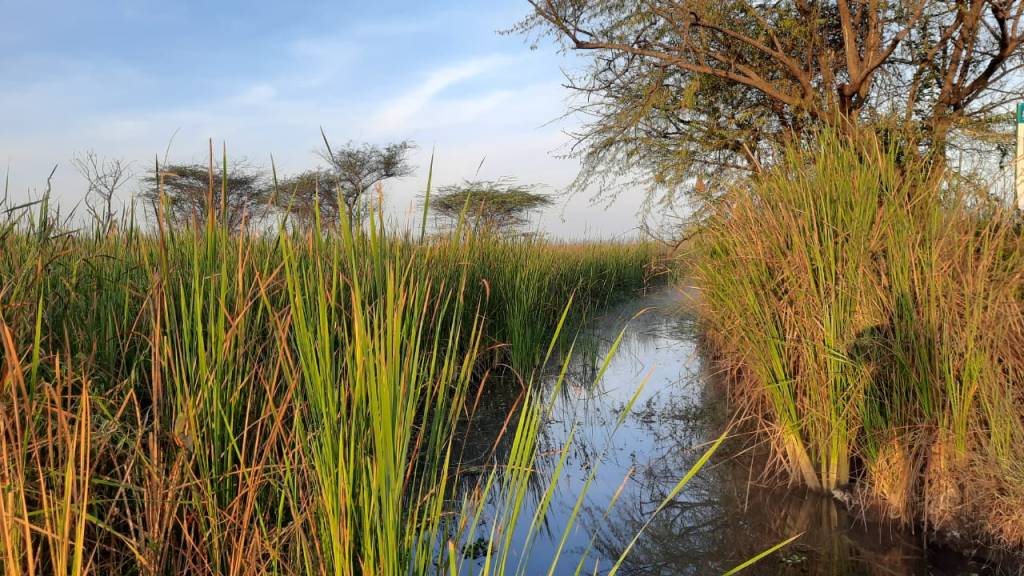
1500 hectares but is known to support more than 500 species of birds!
East: Bhitarkanika Mangroves (ODISHA)
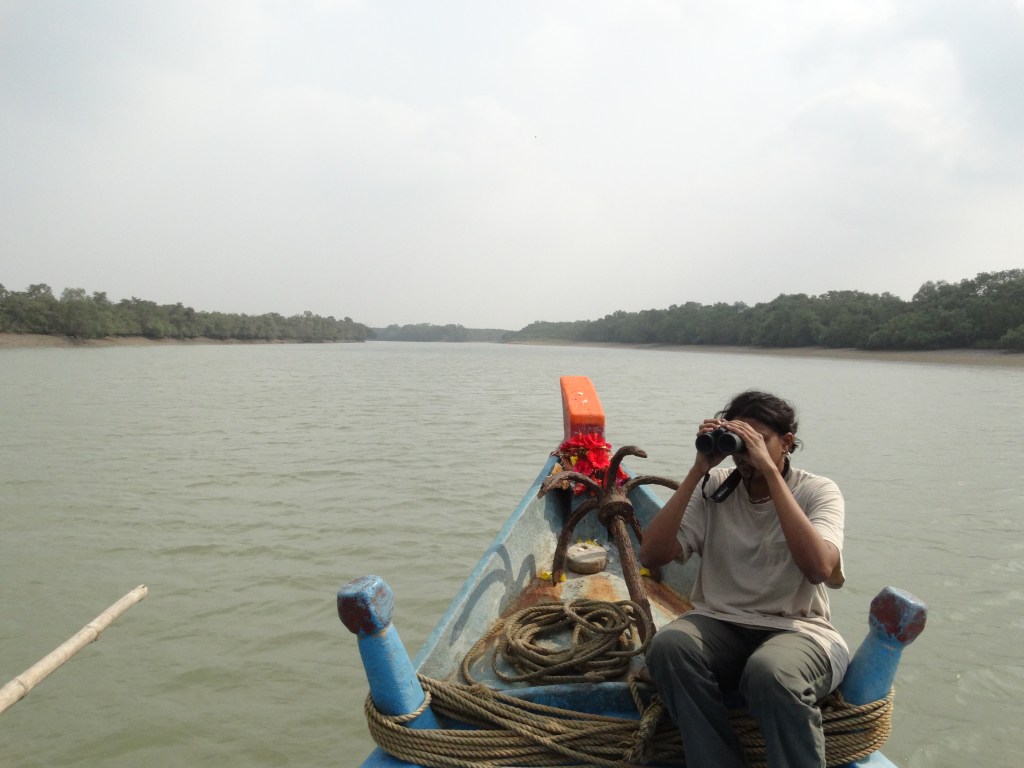
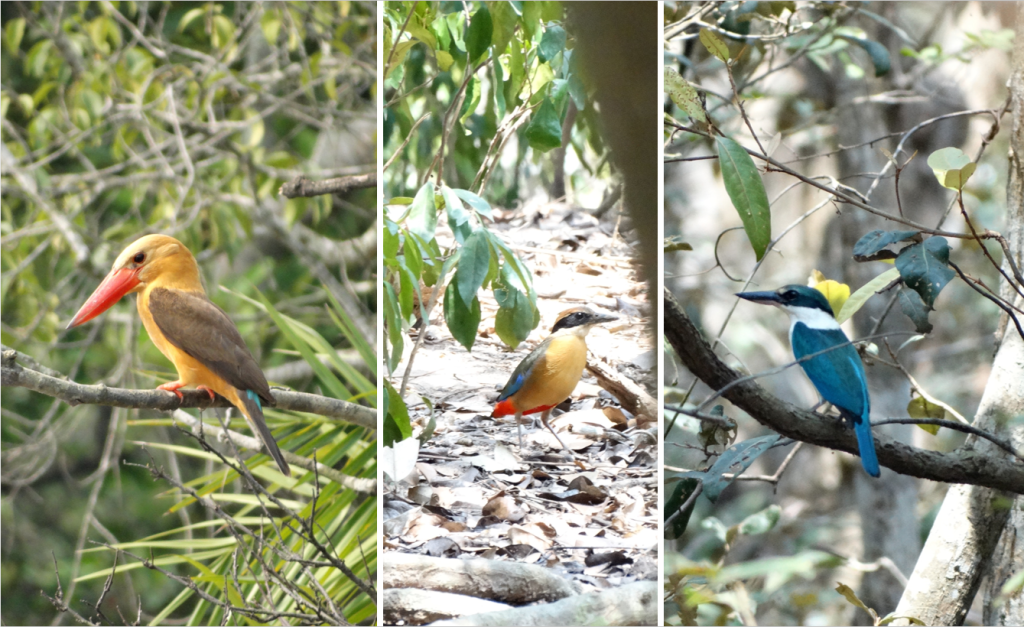
Bhitarkanika National Park is a reasonably large park of 145 sq km which is located in the eastern part of Odisha state. Known to house some of the largest reptiles in India, the humongous Salt water Crocodile (aka saltys!), these creeks are also home to Water Monitor Lizard, Spotted Deer, and Boars. The boat rides take your through the creeks and on either side, one find dense mangrove patches.
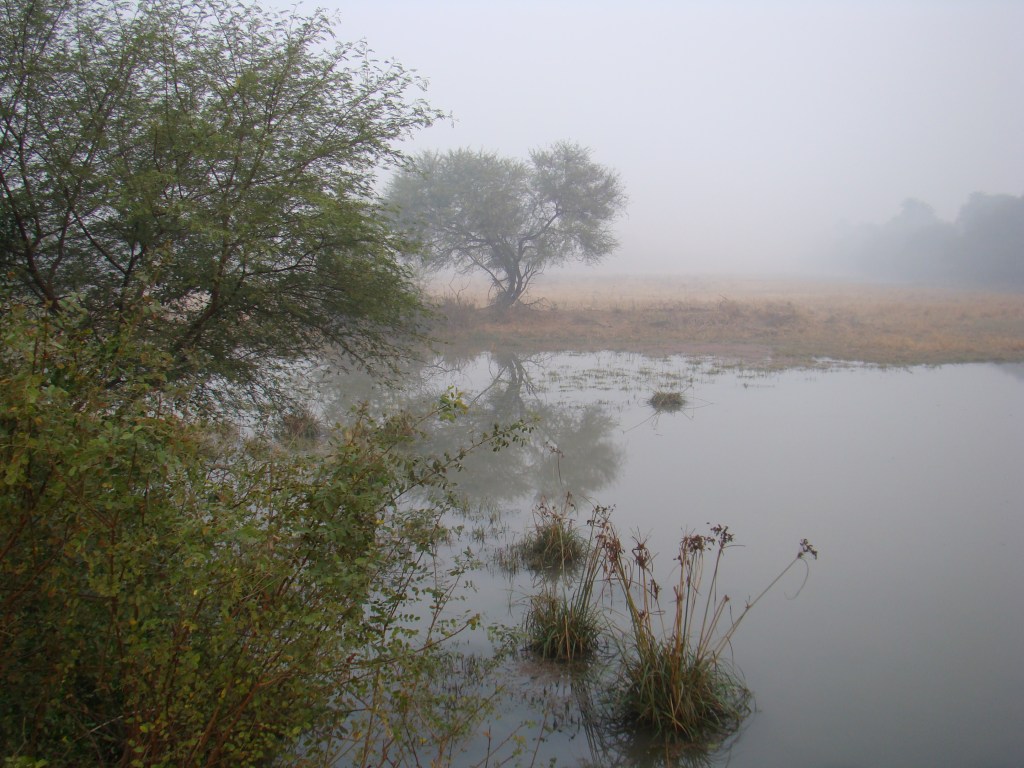
North-West: Keoladeo National Park (RAJASTHAN)
South: Ranganathittu Bird Sanctuary (KARNATAKA)
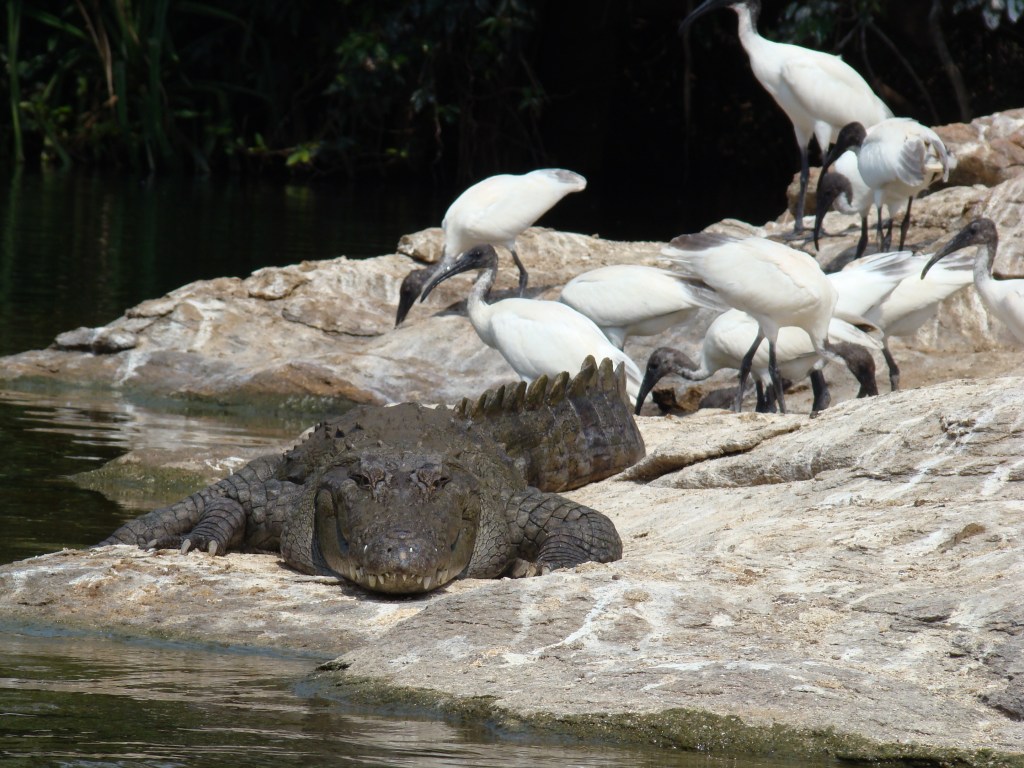
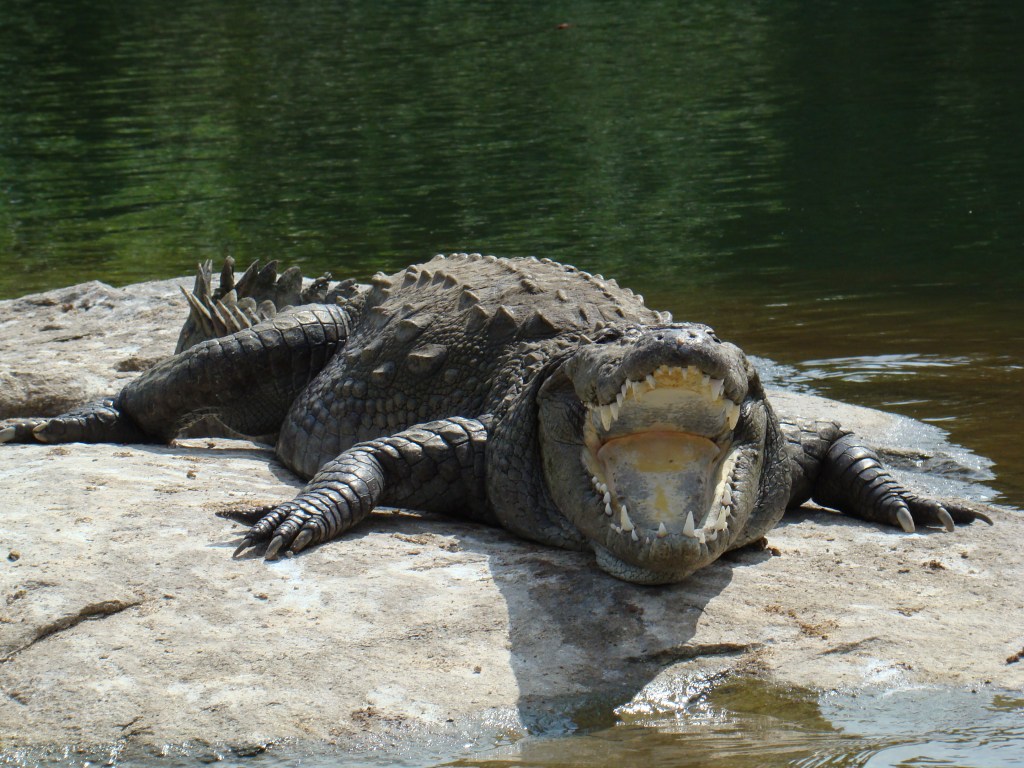
Lastly, I will leave you with this thought: Wetlands mostly come across as barren lands, with little “forest cover”. But wetlands are not wastelands! They may not have a very specific “look” but wetlands play a very important ecological role, that not only supports a huge variety of flora and fauna but also maintains a lot of checks and balances in the environment. So keep an eye out for the wetlands close to your home! For all you know, they may be housing a rare bird or protecting you from the next tsunami!
PS: If you remember, the 2004 Earthquakes and Tsunami proved disastrous for India.
Photo Logs #naturephotography biodiversity bird birders birds birdwatching climatechange conservation coralreefs creeks crocodiles earthlynotes ecotourism environment floodcontrol landscapephotography mangroves marshes migrants migratorybirds migratoryspecies mudflats myristica natureobservation naturephotography naturewatch palustrine pollutioncontrol ramsar ramsarconvention ramsarsites reedbeds riverine saltpans saturated seagrass seasonal sustainabletourism swamps theearthlynotes waders waterlogged waterlooged watershed wetlandconservation wetlands wetlandsofindia wildlifewatch

Earthly Notes View All →
My name is Adithi Muralidhar. I am a nature enthusiast based in Mumbai, India.
 Earthly Notes
Fascinating!
Regards Bharti
LikeLike
Thank you!!
LikeLike