Trekking on your period: A review of menstrual products
The 28th of May is celebrated as World Menstrual Hygiene Day. So I thought this is a good time to talk about menstrual products when on a trek. Firstly you might be thinking- Wait, why would you be trekking when you have your periods?
Well, its no news that women tend to plan their travel around their menstrual cycle. So chances are less that you may have your periods. But let’s say you are amongst those women who do not face trouble with intense physical activities when you are on your period, or lets just say your periods decided to pay you a surprise visit during your trek, how to choose your menstrual product?
These days, we have more options to choose from when it comes to menstrual products: you have eco-friendly options like cloth pads and menstrual cups, and you have traditional options like disposable sanitary pads and tampons. So let’s review them:
Sanitary Pads and Tampons
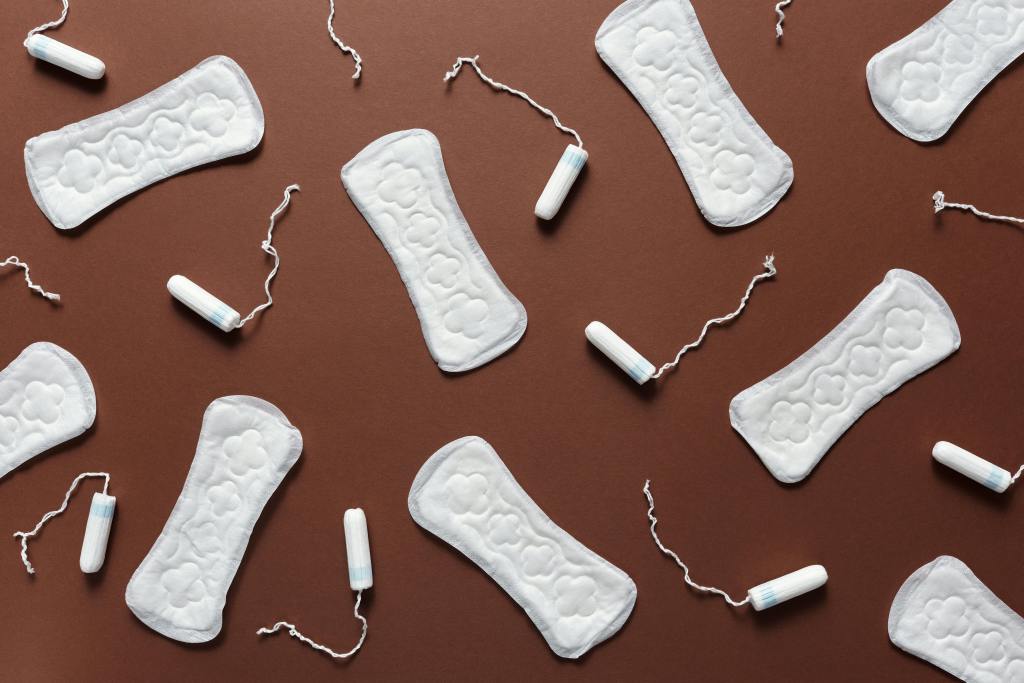
Image Courtesy: Pexel.com (Cliff Booth)/ Free Use
The advantage of using disposable pads and tampons is that it takes you minimal time to change. It is convenient to use (for those who are used to it) and one can change them even inside the tent in emergencies! But the greatest disadvantage is that these are one-time use and throw. You will need to carry a supply of pads/ tampons for the trek. Disposing used pads/tampons in the wilderness is a BIG no when you are trekking. Pristine locations cannot be a dustbin for sanitary waste. This means that you have find ways to carry used pads/tampons in sealed packets throughout the trek journey! And these must ideally be disposed back in the city and not at your base camp. Most remote locations in India do not have a waste management system in place, so disposing sanitary waste in such locations means adding to the destruction of that habitat.
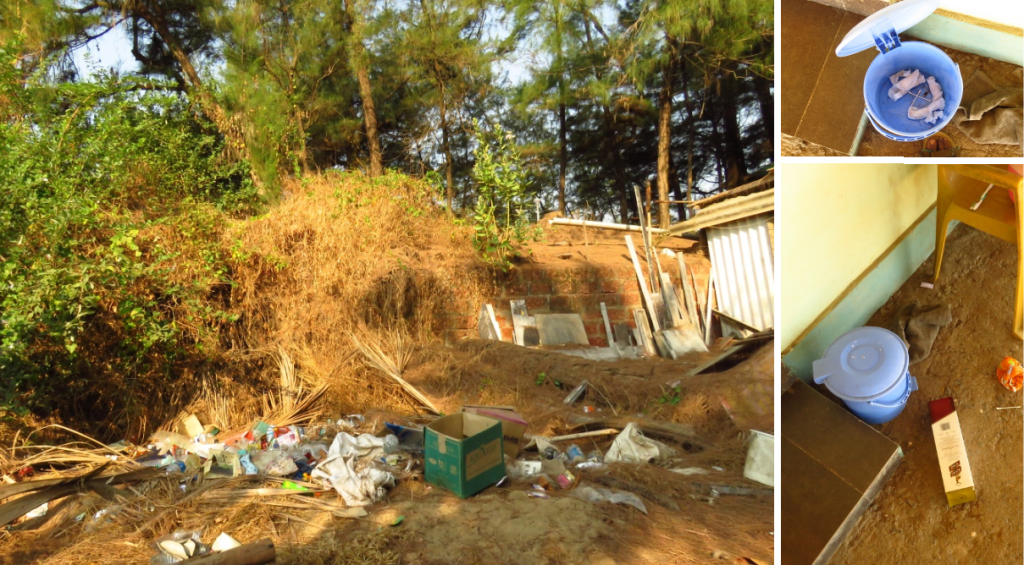
Another disadvantage with pads is that, they can cause rashes and irritation because you are walking for long hours. The friction does not do you good! Tampons on the other hand, may not cause rashes or skin irritations.
Cloth Pads
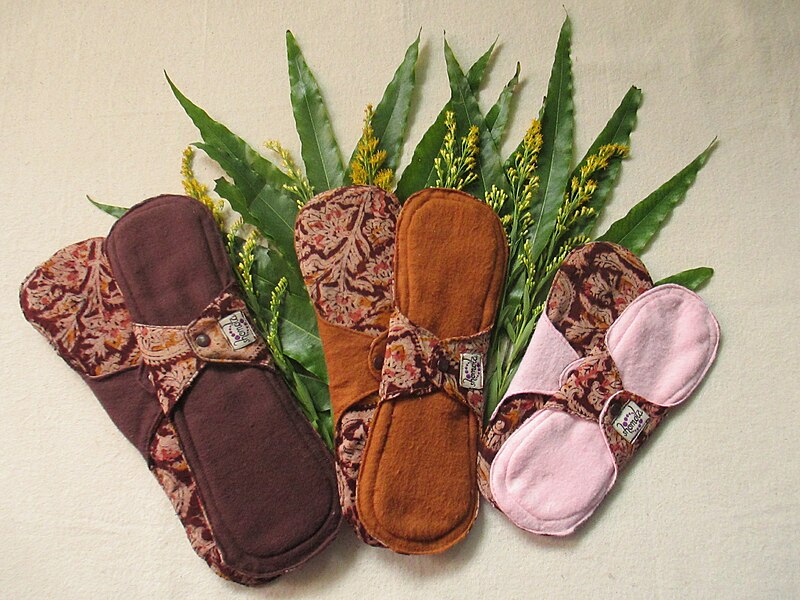
Image Courtesy: Wikimedia Commons/ Meghan/ CC4 License
Cloth Pads although eco-friendly are almost impossible to use during treks. The most important requirement for cloth pads, is that one can dry it in the hot sun. But given that you move from one camp to other everyday; at no point, will you have the time for your cloth pad to dry. Carrying wet pads in your bag is not a hygienic option. Also, weather is often unpredictable in the mountains. So you can’t be guaranteed sun-drying options. Typically, when we want to dry T-shirts or pants, we hang it onto the outside of our carry bag/ rucksack, so that it can sun dry as we trek. But this is not a very good option for cloth pads. The occasional mud or dust settling on it must be avoided.
Menstrual cups
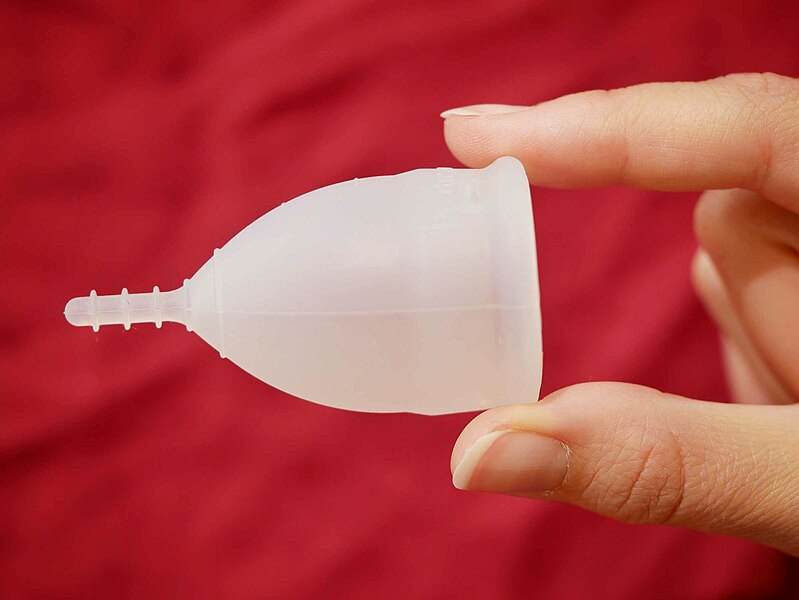
Image Courtesy: Wikimedia Commons/ Vulvani/ CC4
Cups are one of the best options to use on a trek. Advantages are you can’t even feel them while you walk, and no problem of rashes or skin irritations. They are eco-friendly, so you can keep emptying it and reusing it. You just need to carry one or two cups. However, the cardinal rule of using menstrual cups is that you need to have clean hands when handling it. And this might be an issue during trekking. For the most part of the trek, I tend to have muddy hands and nails. While water is usually found at all campsites, it need not necessarily be found throughout the trekking route. And it is not feasible to carry extra water just for washing hands (we will already be carrying lots of drinking water on such days).

Further, changing menstrual cups requires a certain amount of privacy and time. If you are trekking in open meadows or with a large group, you might not find the privacy or time to empty the cup and re-insert it (even if you are pro). Sanitary pads/ tampons on the other hand can be managed more easily in such constraints. For using cups, there is also the issue of how and where you will empty the blood from the cup: directly in the soil, or after digging a small pit?

Long story short: I have found using a combination of menstrual cup and disposable sanitary pads/tampons work best for me. But disposing the latter after the trek days in a city, is a disheartening task. I hate that I have to do that.
This solution may not necessarily be true for you. So do share your thoughts and experiences on this as well!
Education and Awareness Short Stories camp camping campsite chums clothpads earthlynotes eco-friendly ecofriendly ecotips ecotourism ecotourist environment environmentaleducation environmentalfriendlylifestyle environmentallyconscious environmentalproblems environmentfriendly hiking letstalkaboutperiods menstrualhygiene menstrualproduct menstrualstories mestrualhealth pads periodpain periods periodstories poluution sanitarypads sanitarywaste solidwastemanagement solotrekking solowomentravelling sustainability sustainable-living sustainableliving sustainabletourism sustainabletravel tampons theearthlynotes travelblogger traveldiaries travelgram travelsustainably trek treks wastemanagement womentravelling worldmenstrualhygieneday2024 zero-waste

Earthly Notes View All →
My name is Adithi Muralidhar. I am a nature enthusiast based in Mumbai, India.
 Earthly Notes


Critically useful content for travel enthusiast women. 👍
LikeLike
Thanks!
LikeLike