Bulbul Variations: Embracing the Unconventional
For #EarthDay2025 I thought I should share a post on diversity 🙂
In social settings, we often hear the phrase “this is unnatural” when referring to things that don’t fit into our established (social) ideas of what is “normal,” whether it’s about gender, sex, or diversity. This is often accompanied by statements like, “You are going against nature” or “You are breaking the rules of nature.” But if we look closely at nature, we see that the concept of “normal” doesn’t truly exist. Nature embraces a spectrum of possibilities, and everything—from microscopic to macroscopic—exhibits a remarkable range of variations.
I wanted to share an example of a Red-Whiskered Bulbul (Pycnonotus jocosus), a common bird found in many parts of India. The bird is common both in the forests and in the cities. I have seen the bird hundreds of times. But just the variations and the contextual situations in which I have sighted this bird are remarkable! I’m sharing a few photographs below to give you just a glimpse of this.
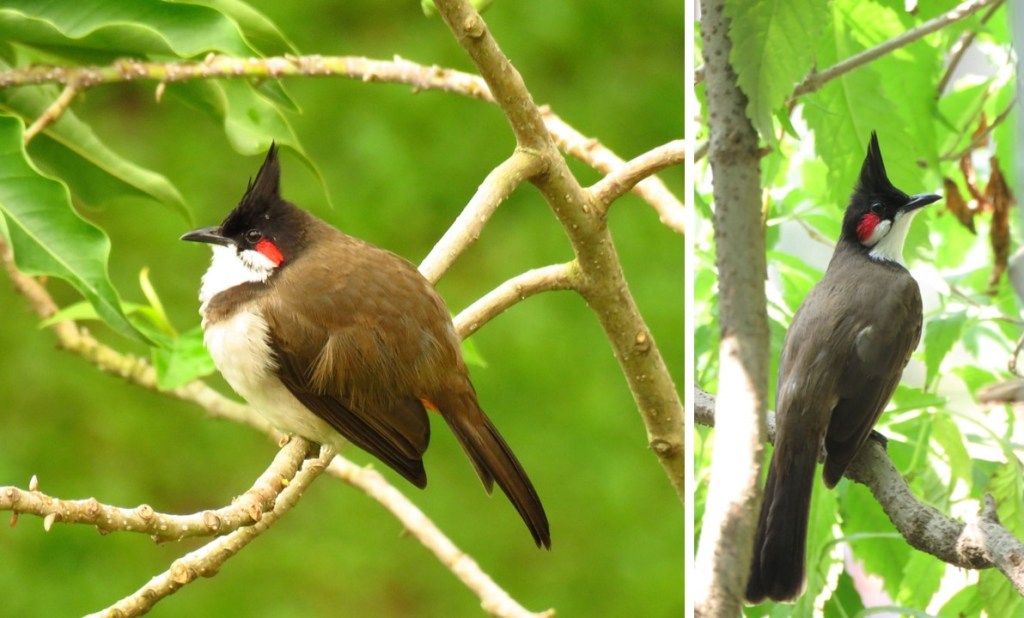
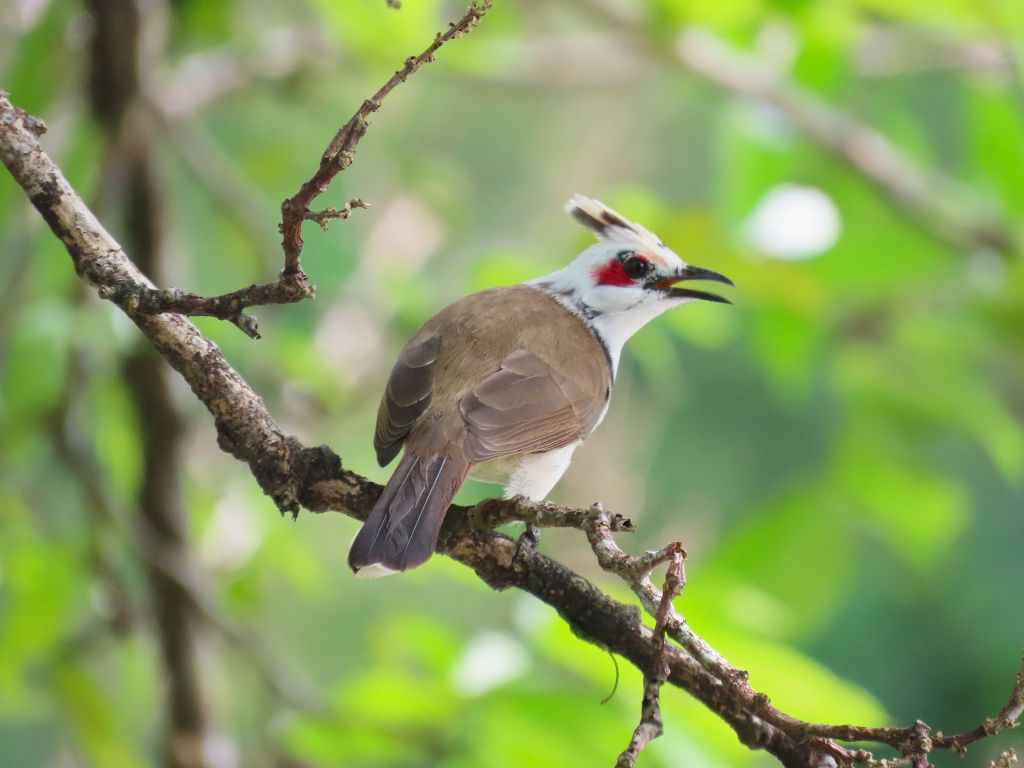
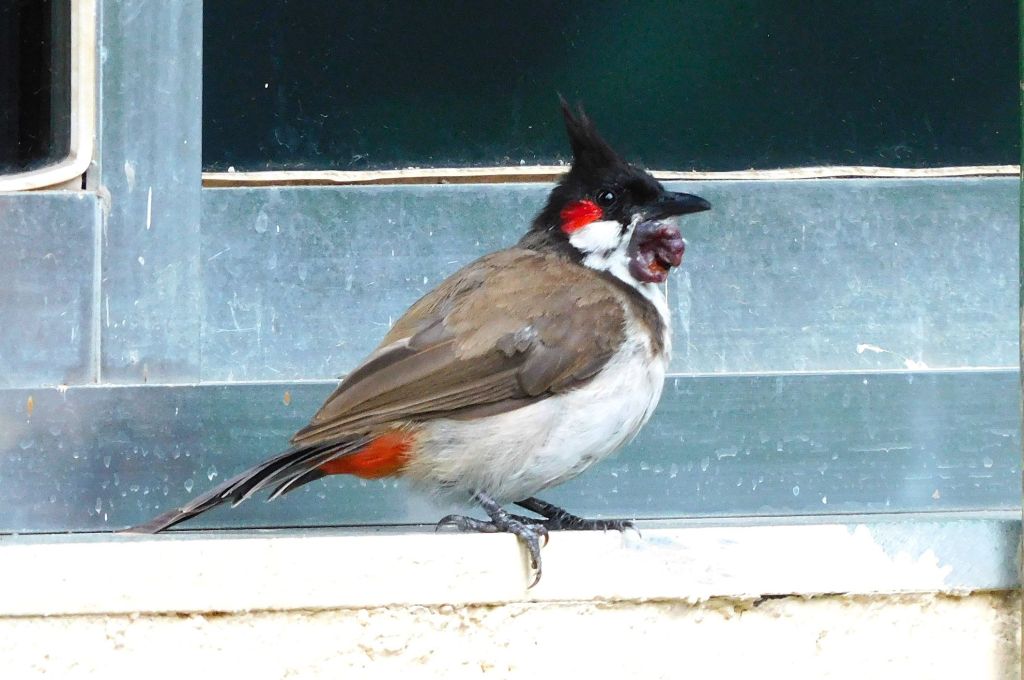
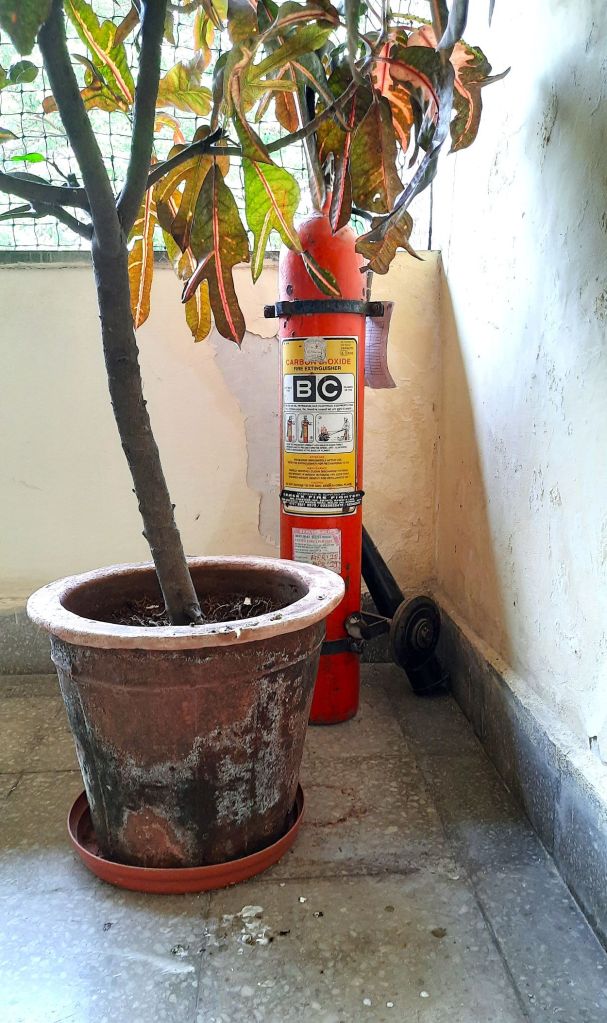
What can you spot in the above picture?
Can you guess?
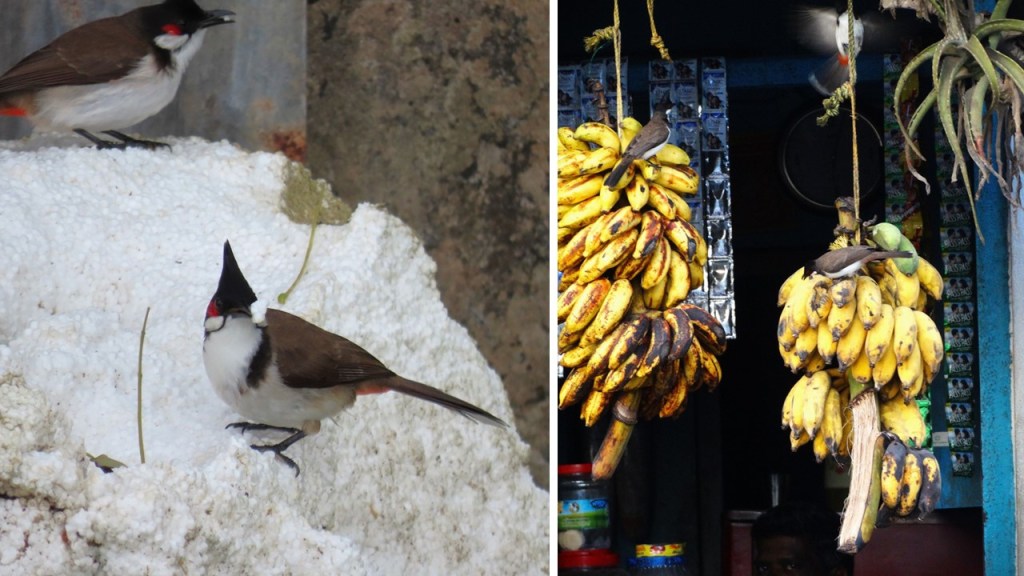
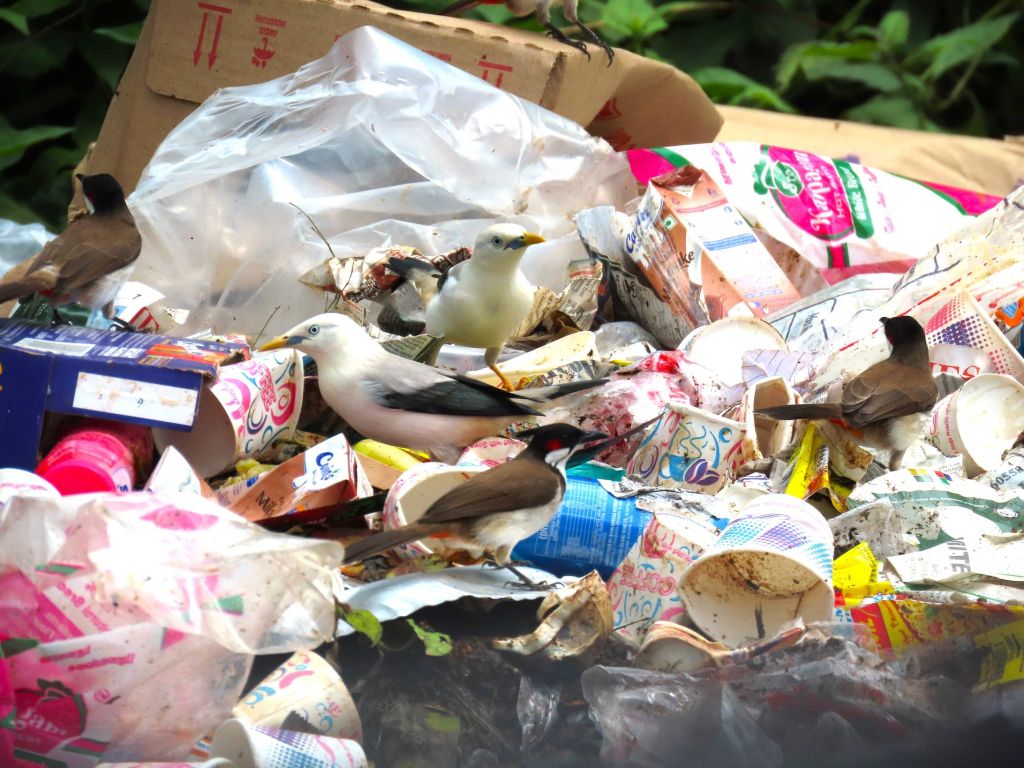
These observations serve as a reminder to me that nothing in nature is strictly “normal” or “abnormal.” What we often perceive as unusual is simply a part of the natural variation that exists across our earth. Diversity is essential for the health of any ecosystem.
This #EarthDay2025, I want to celebrate the diversity we witness in wildlife—and by extension, in ourselves. In a world that is becoming increasingly polarized based on ethnicity, race, caste, religion, and language, I want all of you to take a moment to observe how nature thrives in its differences. We humans are part of this spectrum. I don’t think there is a singular definition of perfection in nature, and neither should there be one in society.
We have only one earth. Happy Earth Day!
Nature Observations Short Stories #birds #nature abnormal abnormalities adaptation beauty beautyinnature birding birds birdsofindia bulbul bulbulsofindia colourabberations diverse diversepeople diversity earth EarthDay EarthDay2025 EarthDayCelebrations earthlynotes earthytales ecology ecosystem ecotourism environment evolution heteregenity humanity nature natureandculture naturelove natureobservation naturephotography naturewatch normal observeandlearn perfection photography plurality redwhiskeredbulbul society theearthlynotes urbanbiodiversity variation wildlife

Earthly Notes View All →
My name is Adithi Muralidhar. I am a nature enthusiast based in Mumbai, India.
 Earthly Notes