Wings Over Wasted Lands
I was heading to Assam, and our very first location was a dumping ground, specifically the Solid Waste Processing Plant of the Guwahati Municipal Corporation at Boragaon. It was overwhelming. The air was thick with black smoke rising from distant corners, carrying a strong stench: a pungent mix of wet compostable waste and dry plastic. The ground was wet, sticky with trash, and teeming with flies, stray dogs, and people sorting through heaps of garbage. It immediately reminded me of the towering Deonar Dumping Ground in my own city, Mumbai.
Unlike Deonar, which is completely off-limits to citizens, the Guwahati landfill is considered a birder’s paradise. Yes you read that right! Not a forest, not a sanctuary, but a landfill. And somehow, it is home to one of the most majestic birds I have ever encountered. I remember wondering how anything so extraordinary could thrive in such a place.
And then I saw them.
The entire hill of trash was alive with birds… towering birds interspersed with cattle and the occasional dog. These huge stork sized birds were no other than the Greater Adjutants, or Hargilas.
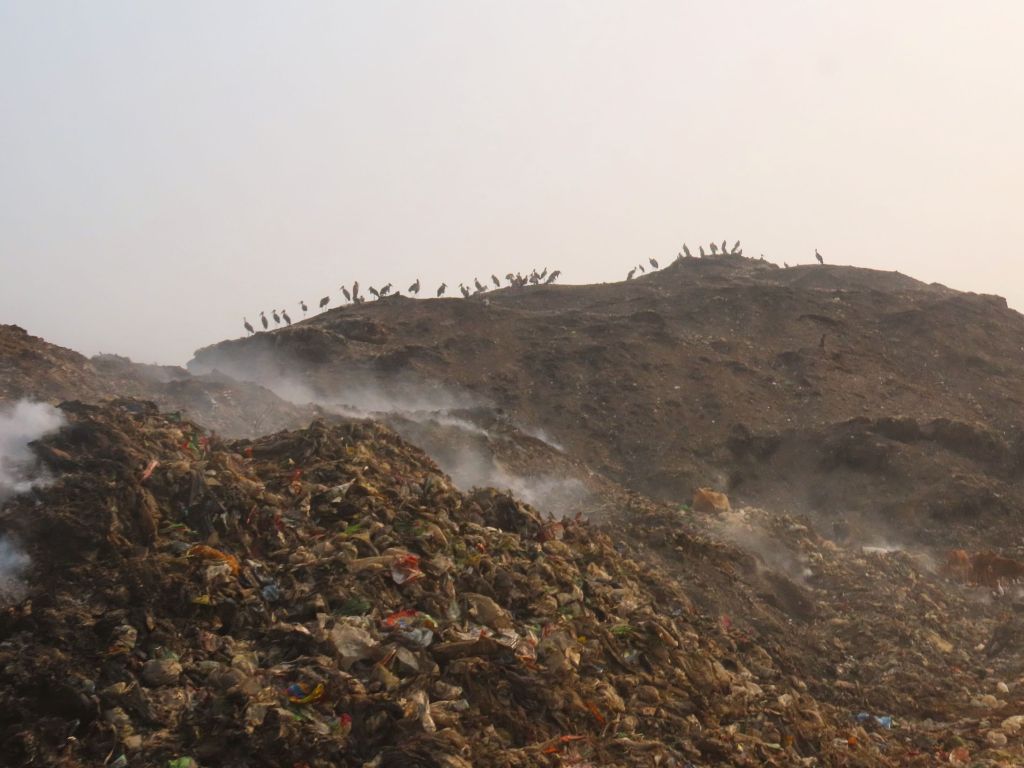
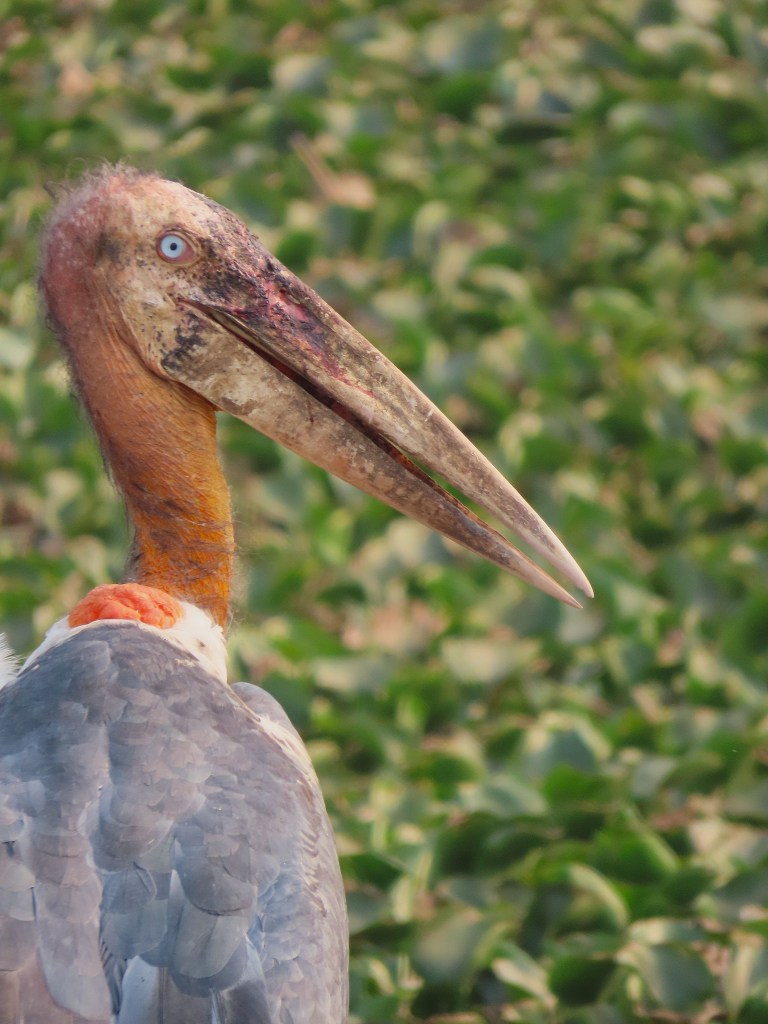
The name “Hargila” in Assamese literally means “bone swallower.” I had read so much about them. Towering scavenger birds once widespread across Southeast Asia, now listed as threatened according to the IUCN. I was always fascinated by their strange, almost prehistoric beauty. That long, naked neck, almost looks like it has been skinned there. Then there is that massive dagger-like bill, the stork-like gait. I found them so intimidating.
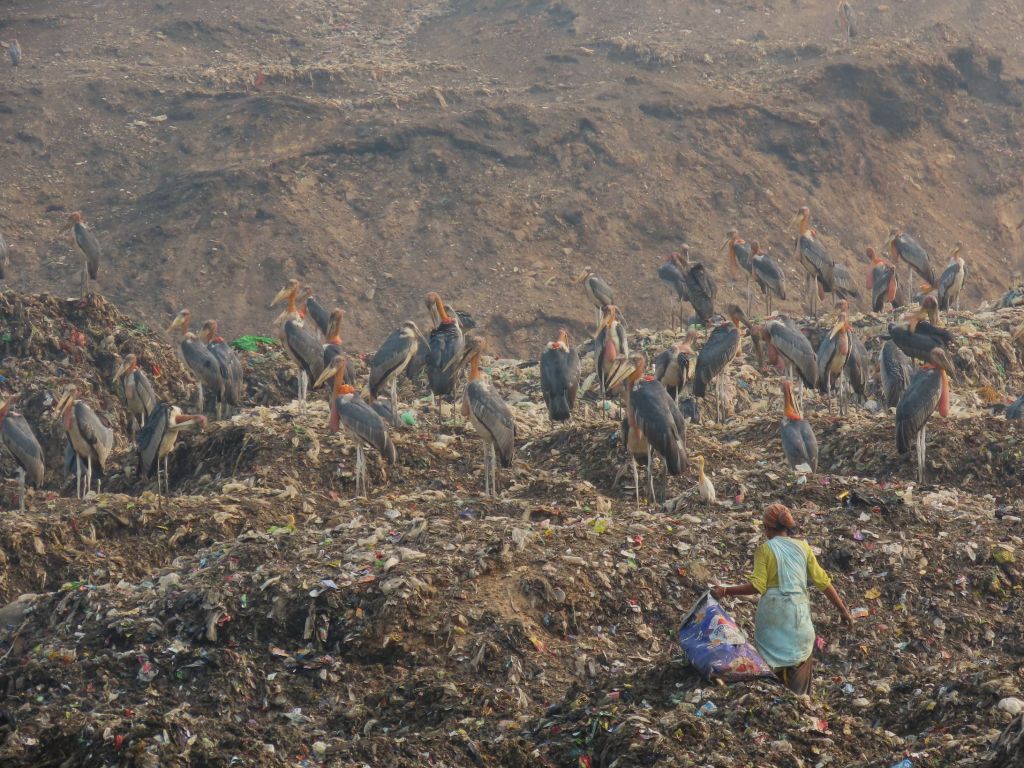
These birds were not just surviving. They had adapted seamlessly to a broken ecosystem that we had created. And yet, they remained watchful. The local workers ignored them, but we, the outsiders with cameras, made them wary.
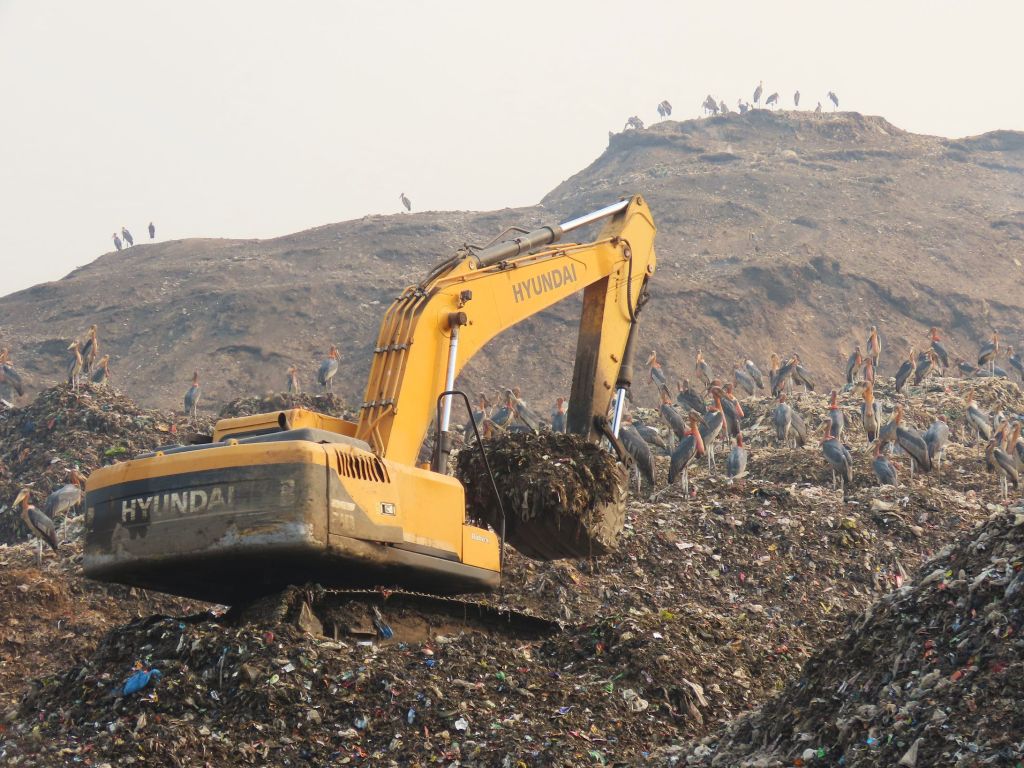
Today, fewer than 1,200 Greater Adjutants remain in the wild. A significant sized population thrive on this very landfill in Guwahati, which sits close to a wetland. Conservation efforts, especially in Assam, are offering hope. Women-led community initiatives are working tirelessly to protect nesting trees, shift public perception, and reframe the Hargila not as a nuisance but as a symbol of local pride. Still, even with all this context and knowledge, nothing compares to the raw, surreal wonder of seeing a Greater Adjutant standing tall on a mountain of garbage.
Unshaken. Resilient. Real.
Note: If you would like to know more about these birds, you can check this documentary.
Nature Observations Photo Logs Short Stories #natgeo animalplanet assam assamwildlife birds birdsofindia citywildlife conservation dumpingground earthlynotes ecotourism endangered environment garbagedump greateradjutant guwahati iucn landfill naturelove natureobservation naturephotography naturewatch storks theearthlynotes threatened urbanbiodiversity waste wastemanagement wetlands wildlifeincities wildlifeofindia wildlifewatch

Earthly Notes View All →
My name is Adithi Muralidhar. I am a nature enthusiast based in Mumbai, India.
 Earthly Notes