Watery Wetlands: Part 1
Wetlands possess distinctive characteristics that make it a unique habitat. Imagine a sponge which is soaked with water. Wetlands are something like that. They are temporarily (seasonally) or permanently soaked with water.
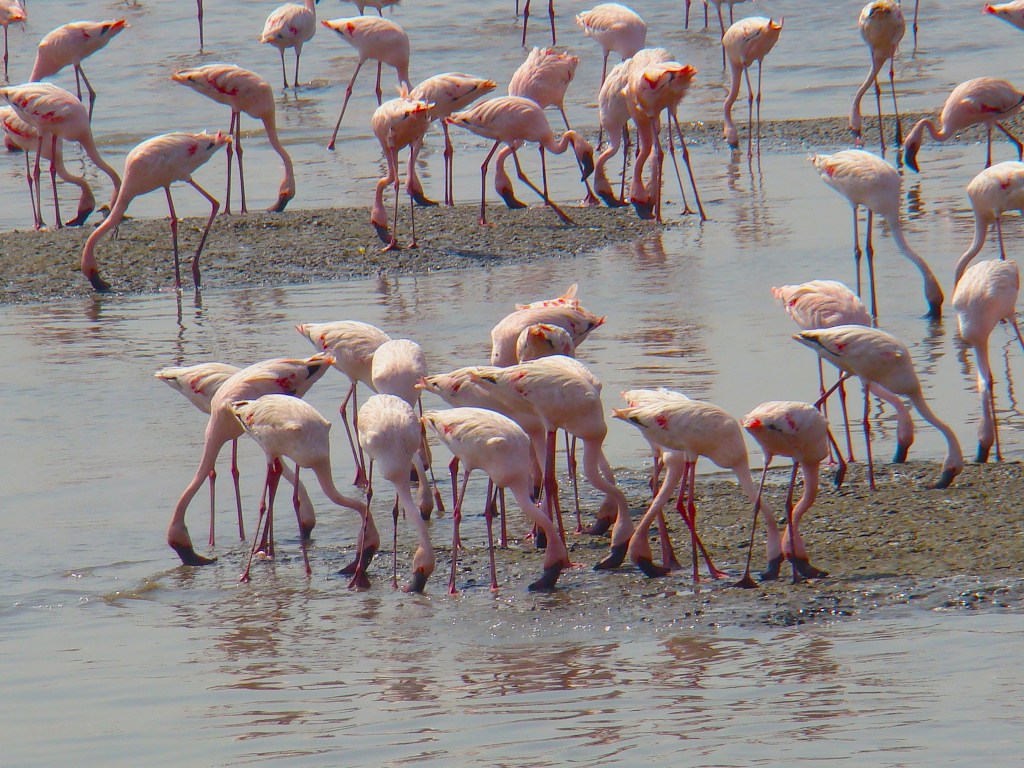
we find here!
Wetlands can be the areas close to the seashore, where coral reefs are seen or where sea grasses grow. Wetlands can also be the creeks that carry saline water of the sea into the land. Wetlands also harbour mangrove forests while others can be barren with almost no vegetation. Swamps and bogs are also considered wetlands, and so are some areas around lakes and rivers. Wetlands can be also be human made, like the reservoir areas (of dams) and the salt pans.
Despite all of this diversity, wetlands are not usually in the limelight. But they ought to be. Wetlands play a very important ecological role, that not only supports a huge variety of flora and fauna but also maintains a lot of checks and balances in the environment. So on this World Wetlands Day (2024), let me take you through some amazing wetlands of India.
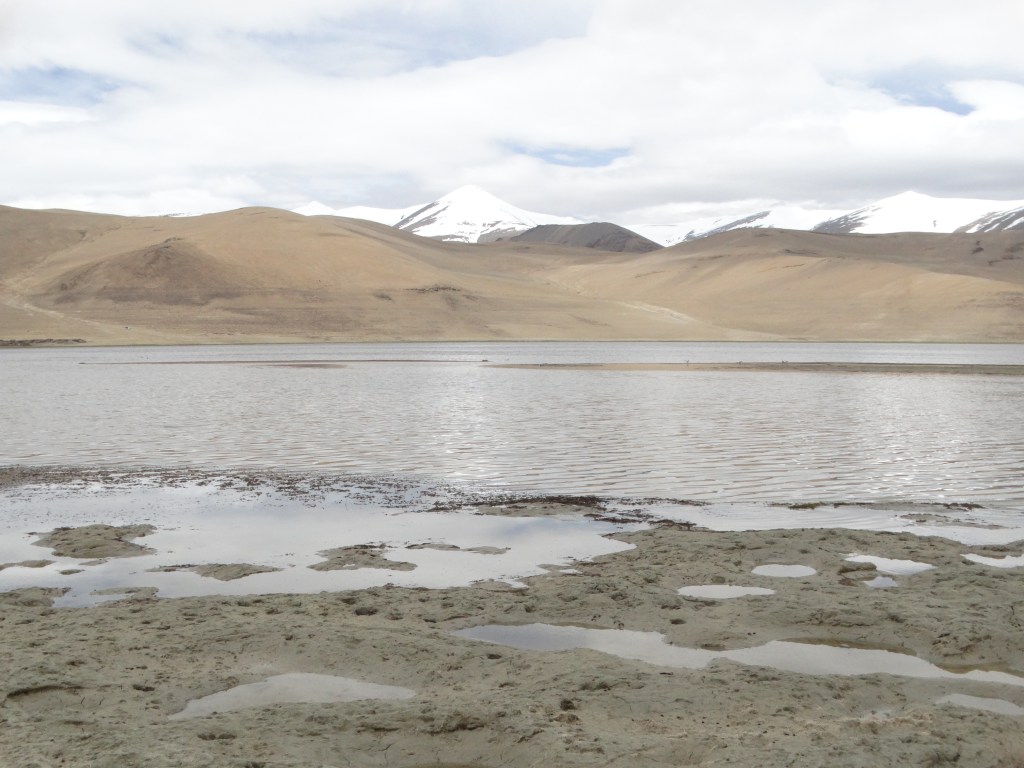
NORTH: TSOKAR (Ladakh)
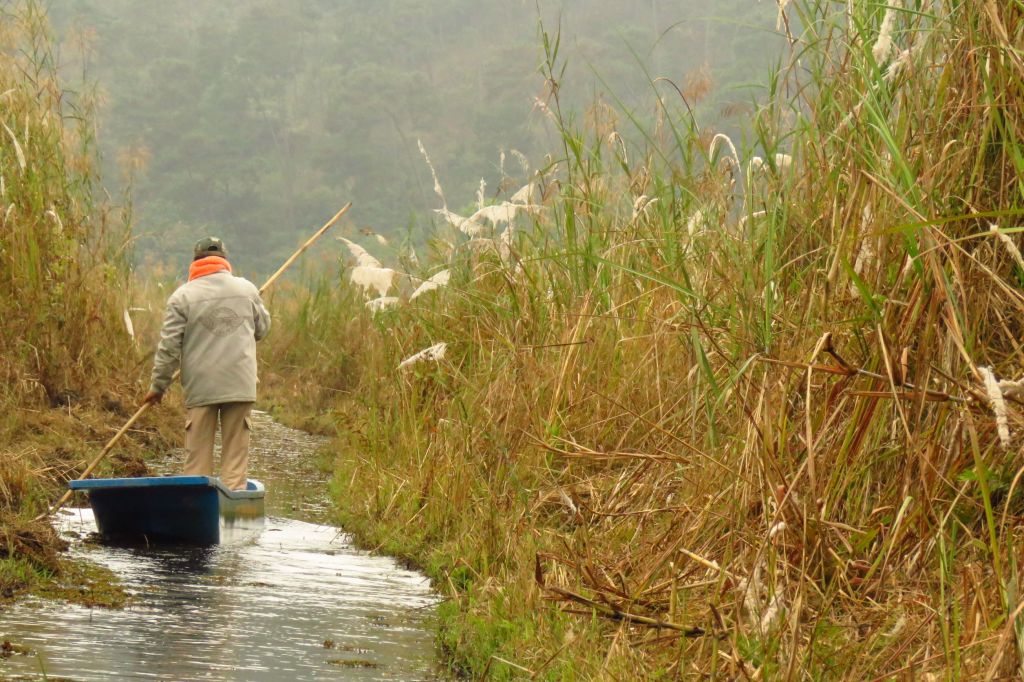
EAST: KEIBUL LAMJAO (Manipur)
Did you know Keibul Lamjao National Park in Manipur is the world’s only floating national park?! Yes, you read it right! Its floating! The park is a small part of the more famous Loktak Lake, which is spread out to around
250 sq kms. Unlike in other National Parks, where you head for a “safari” on a vehicle; here you go on a boat! The boat takes you through the water channels which is interspersed with “Phumdis”.
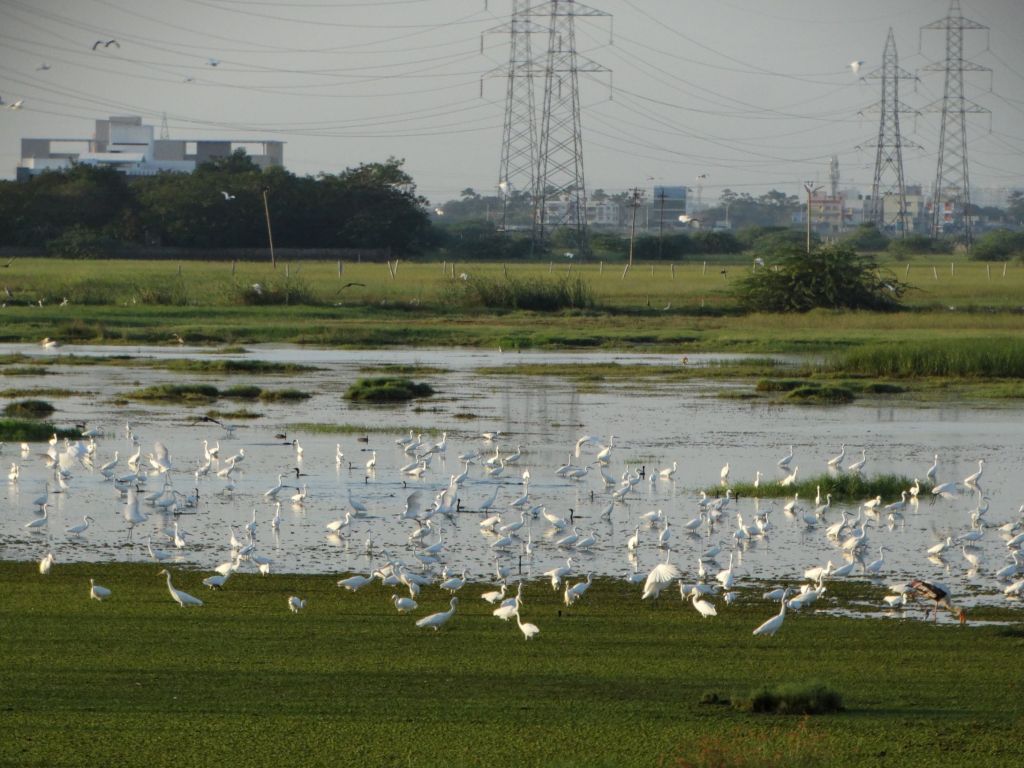
SOUTH: PALLIKARANAI MARSHES (Tamil Nadu)
WEST: TILLARI MYRISTICA SWAMPS (Maharashtra)
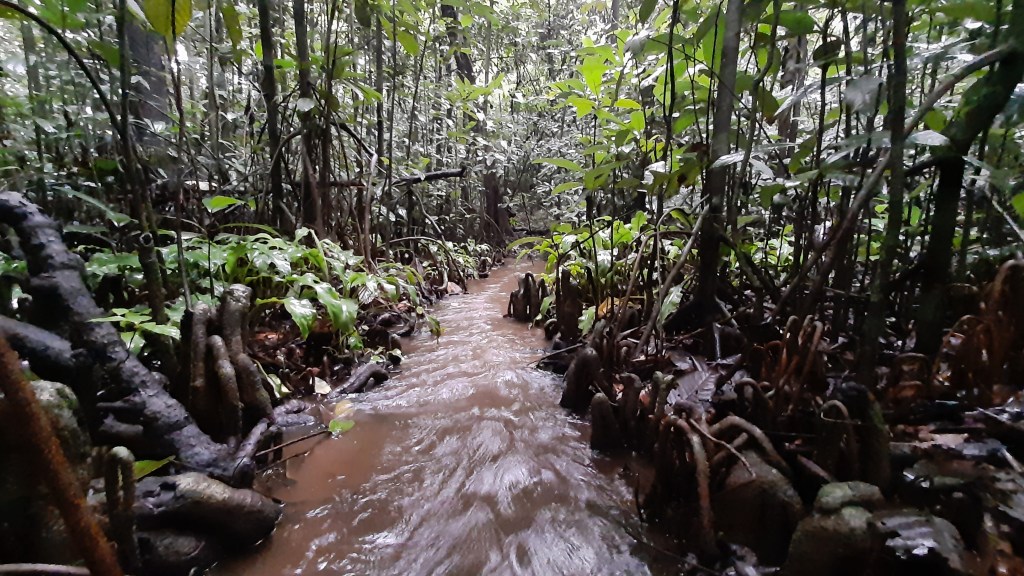
crisscrossing streams which form the only channel through where you can move. The knotted roots of the trees border the streams and the sunlight barely reaches the forest floor. This forest really seems like as though you have been transported into an alternate world.
And on that wonderful note, I bid you adieu. Take some time out on this #WorldWetlandsDay and find out more about how these specialized habitat safeguard our environment.
VISIT: Watery Wetlands: Part 2
Learn more about wetlands by understanding Ramsar Sites.
Photo Logs biodiversity birds bogs climatechange conservation coralreef dams earthlynotes ecologicalrole ecosystem ecotourism endemic environment flamingoes floodcontrol forests habitat lakes landscape landscapephotography mangroves migrantspecies migratorybirds mudflats myristica naturelove natureobservation naturephotography pollutioncontrol quicksand ramsar ramsarconvention ramsarsites rivers saline salinity saltpans seasonally seasons soil sustainabletourism swamps theearthlynotes waders waterfowl waterlogged watershed wetland wetlands wetlandsconservation wetlandsofindia wildlifewatch worldwetlandday WorldWetlandsDay2024

Earthly Notes View All →
My name is Adithi Muralidhar. I am a nature enthusiast based in Mumbai, India.
 Earthly Notes
Hey,
Thanks for this! Love wetlands 🙂
Btw, if possible, could you share about how to plan a trip to the last one?
With regards, Geetanjali.
LikeLike
Messaged you.
LikeLike
Very interesting and informative.Great
Regards Bharti
LikeLike
Thank you Bharti Aunty!
LikeLike