Himalayan Highs vs. Nordic Miles: Where the Nordics Win
This piece talks about the differences between trekking in the Himalayas and the Nordic region (specifically Finland, Iceland). While I have been on numerous treks in the former, I have done only two major treks in the latter. But I think the observations I list here won’t be an overly broad generalisation and I think it would be safe to extrapolate certain features one can expect on Nordic treks.
To begin with, both regions have extensive wild habitats, lakes, wildlife and long days on foot. But the experiences in both locations are so starkly different. This is a list of things that showcases the wonderful things of Nordic treks!
Where the Nordics Win
You know where you’re going (almost always!)
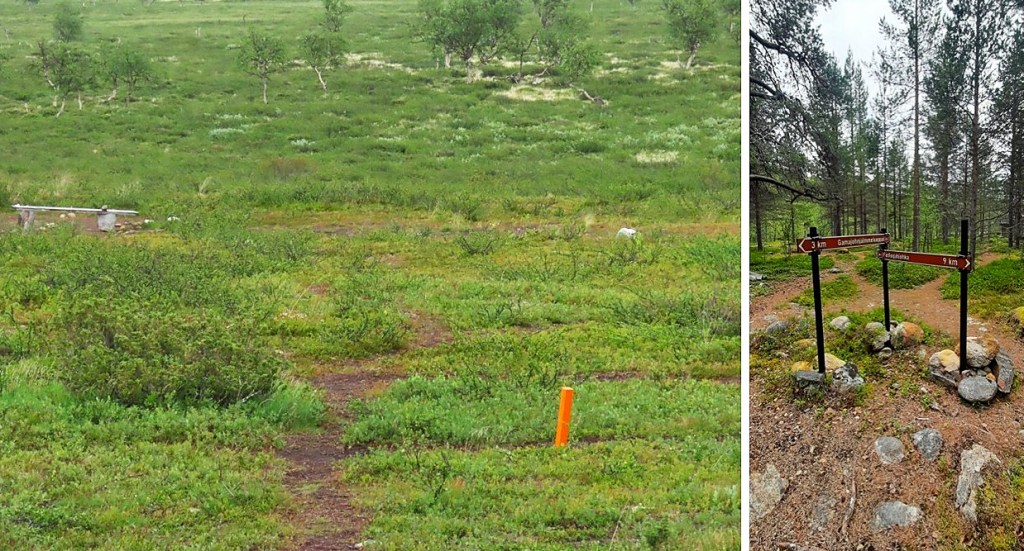
The trails in Nordic regions (including Scandinavian) are well marked. Route maps are also available online and there are signage in the routes that make the walk easier. This basically means you can concentrate on the landscape rather than constantly wondering if you have taken a detour or whether that faint path ahead is actually the trail! But if the weather turns bad, then you are walking blind!
You can plan your trek from the comfort of your home!
Planning a Nordic/Scandinavian trek requires you to do your homework no doubt. But it rarely requires detective work. Be it trail distances, difficulty, maps, base camp accessibility, weather, backup shelters, rules and regulations, everything is usually available online. So you can plan a Nordic trek down to the last detail while sitting in India. In the Himalayas, reliable information is almost always from local people. So you get most of the updated information by speaking to someone local on the phone.
Absolute wilderness but with strict rules!
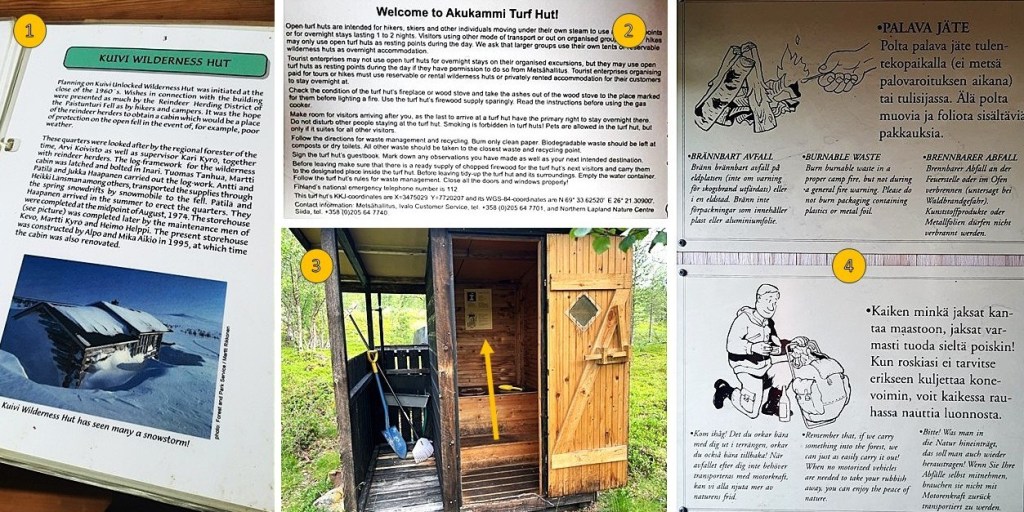
One should really learn the art of trail management from the Nordic regions. The level of detail with which the rules have been articulated and shared with campers is truly unbelievable. Each campsite and resting camp has a detailed book of rules which contain all dos and don’ts. It is particularly useful for first-timers, for campers who want to ensure that they don’t unintentionally harm wild habitats. They have even thought of where trekkers can dispose of used batteries after their trek! Unfortunately this is perhaps the biggest flaw in Himalayan trekking experiences. There are no rules and regulations around preservation of natural habitats: how to manage waste, where to go to the toilet, how to manage campfires. Even if there are rules (Eg., a region is declared plastic-free zone), they are not followed. So there is always a small sense of guilt (atleast for me) because undertaking a completely zero-waste trek is difficult in the Himalayas.
Getting there is easy!
The best treks often start from remote towns or villages. But the difference is how one reaches the last mile (through public transport). Nordic treks begin with remarkably little logistical drama. Everything from the roads and public transport to ticket-booking systems and bus schedules runs with high precision. You don’t even have to think twice about washroom breaks (buses have toilets).
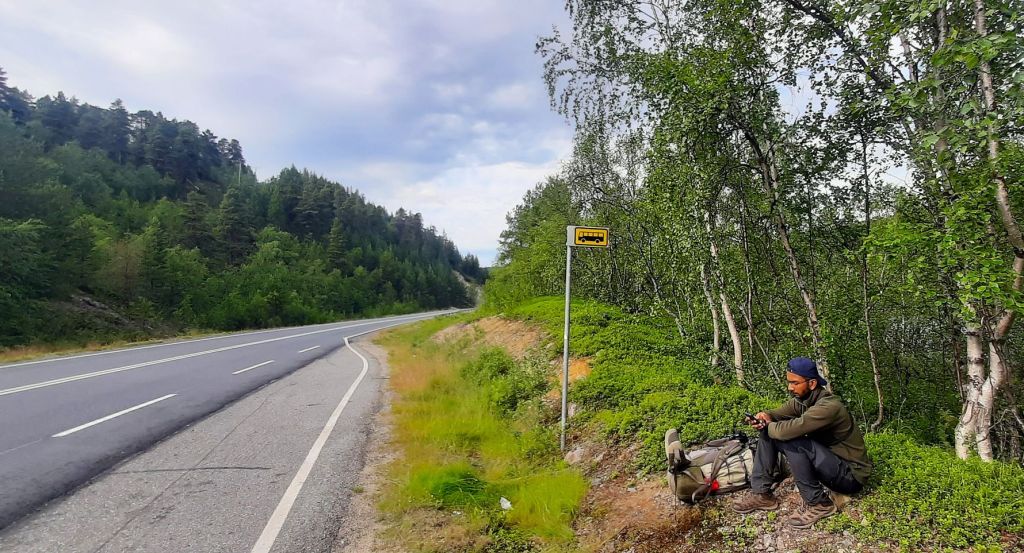
Whereas, reaching a remote location in the Himalayas often involves packed public buses or taxis, scary routes, dangerous speeding on mountain curves, constantly looking out for locations to relieve yourself (especially if you are a woman). In fact, one needs a full day’s rest in the base camp after reaching there to recuperate from the tiresome journey!
Someone has thought of everything!
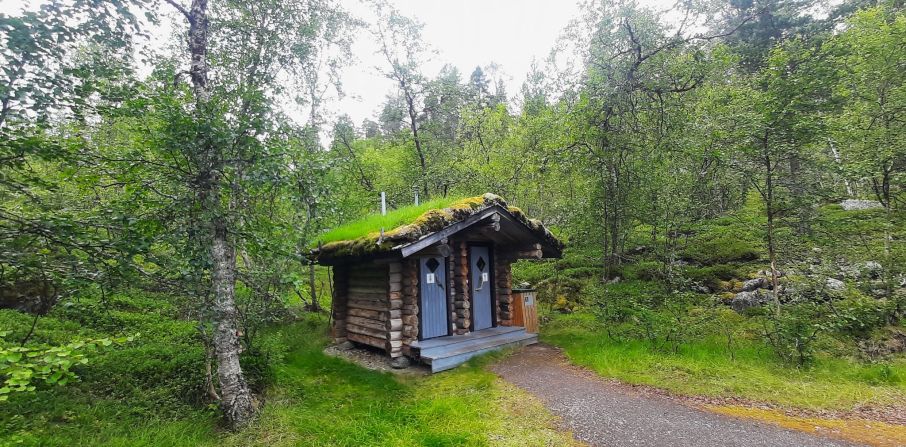
Nordic hiking infrastructure is well designed, it feels almost excessively considerate. From cabins and toilets to resting areas, fire pits, maps and well-maintained trails, everything removes many of the ‘little hardships’ of trekking. The result is more effort goes into walking, less into figuring things out.
Now that we have read what is awesome about Nordic trekking experience, read Part 2: Where the Himalayas Win which showcases the wonderful things of Himalayan treks!
And to know which is better, read Part 2!
Short Stories Trip Reports #hiking #nature #travel #trekking adventure camping comfort conservation earthlynotes ecotourism environment finlandtreks gooddesign himalayantrekking icelandtreks natureobservation naturepreservation naturewatch nordictrekking rustic sustainabletreks theearthlynotes trekking welldesignedtrails wilderness zerowastetreks

Earthly Notes View All →
My name is Adithi Muralidhar. I am a nature enthusiast based in Mumbai, India.


1 Comment Leave a comment ›