Himalayan Highs vs. Nordic Miles : Where the Himalayas Win
This piece talks about the differences between trekking in the Himalayas and the Nordic region (specifically Finland, Iceland). While I have been on numerous treks in the former, I have done only two major treks in the latter. But I think the observations I list here won’t be an overly broad generalisation and I think it would be safe to extrapolate certain features one can expect on Nordic regions.
To begin with, both regions have extensive wild habitats, lakes, wildlife and long days on foot. But the experiences in both locations are so starkly different. Part 1 talked of all the awesome things a Nordic treks offers. Part 2 showcases the wonderful things of Himalayan treks!
Where the Himalayas Win
Abundance and diversity of wildlife
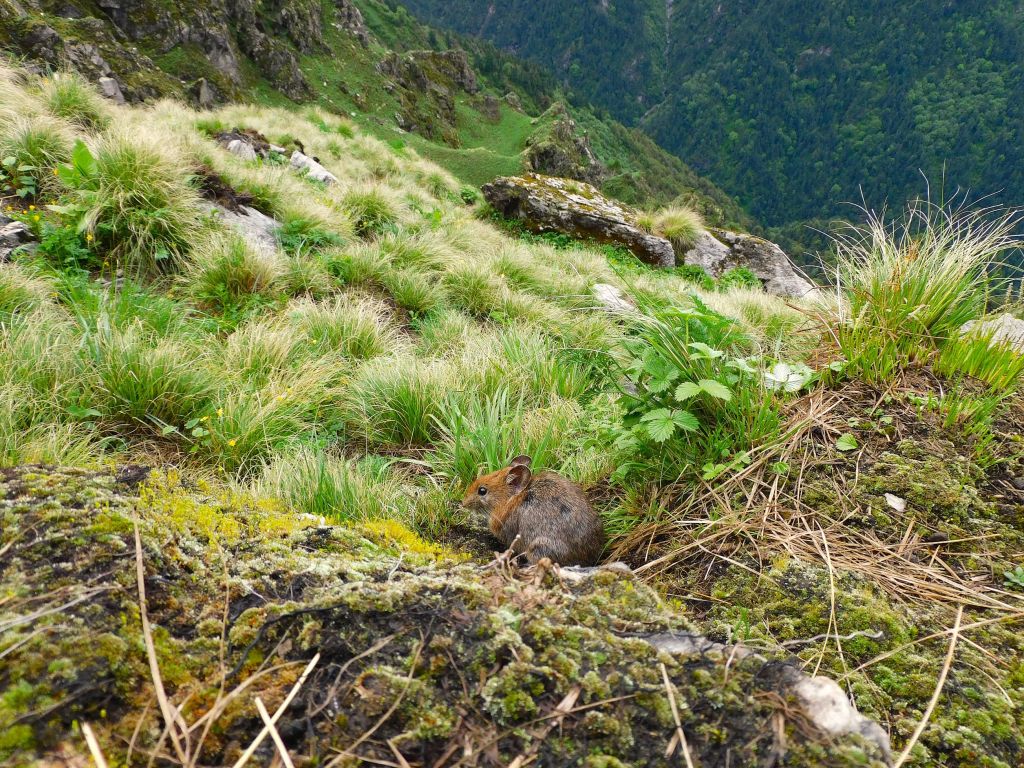
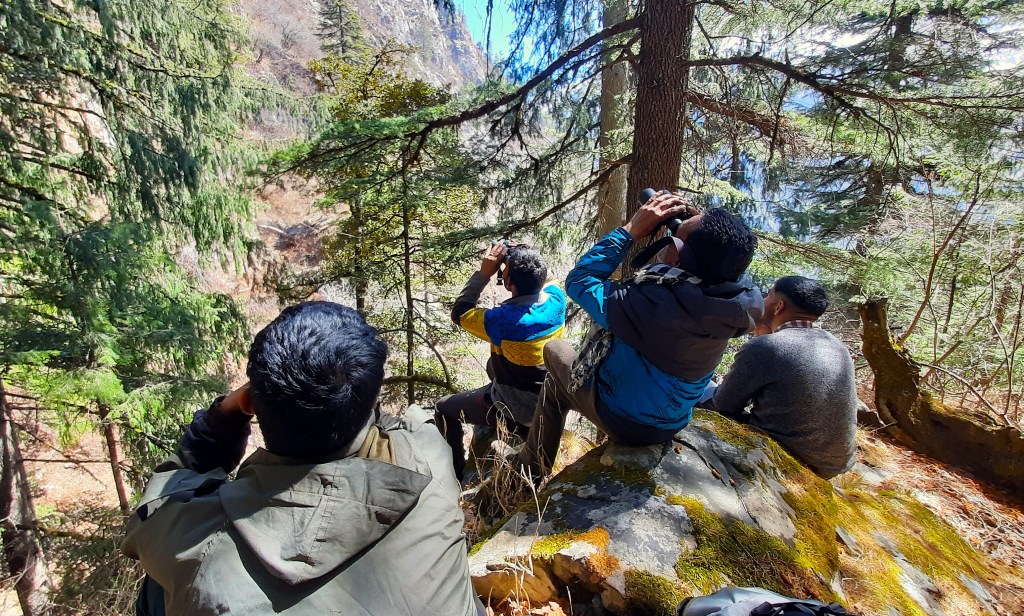
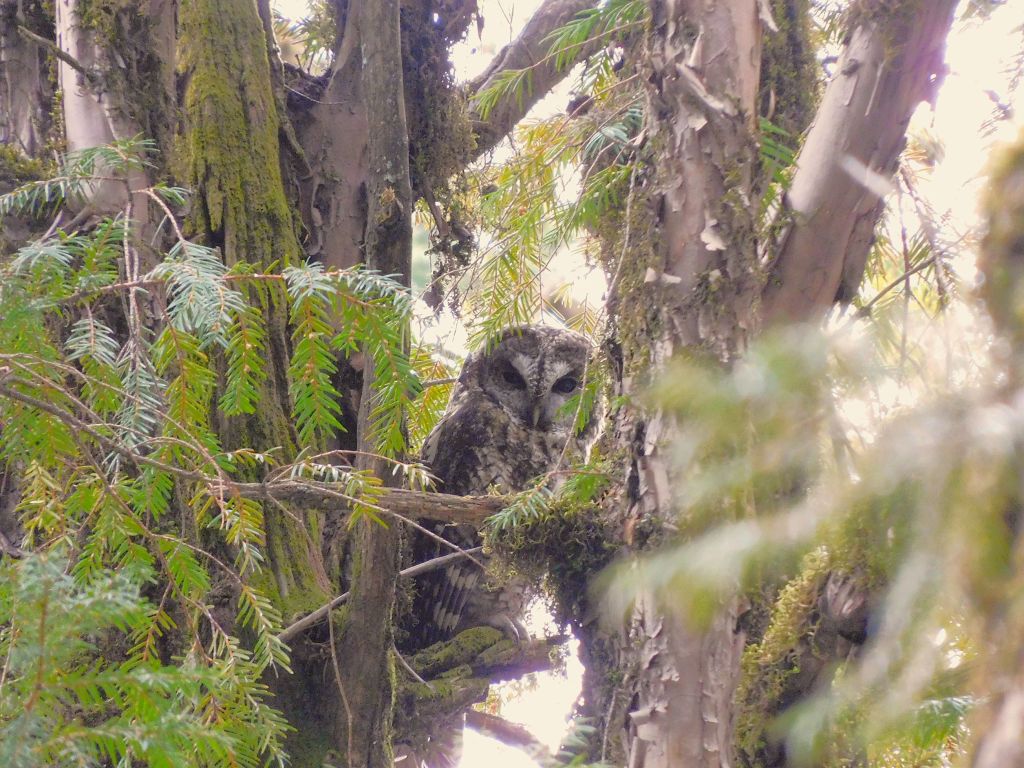
Few mountain habitats match the Himalayas for ecological diversity. As the landscape changes dramatically with altitude, so does the wildlife. In Nordic regions, wildlife is present, but it cannot match the abundance and diversity of the Himalayas. In Himalayas, each wildlife encounter, be it a bird, snake or mammal feels like an adrenaline rush. The sheer abundance of birds you find on Himalayan treks is enough to satisfy a birder’s heart.
The people are part of the trek
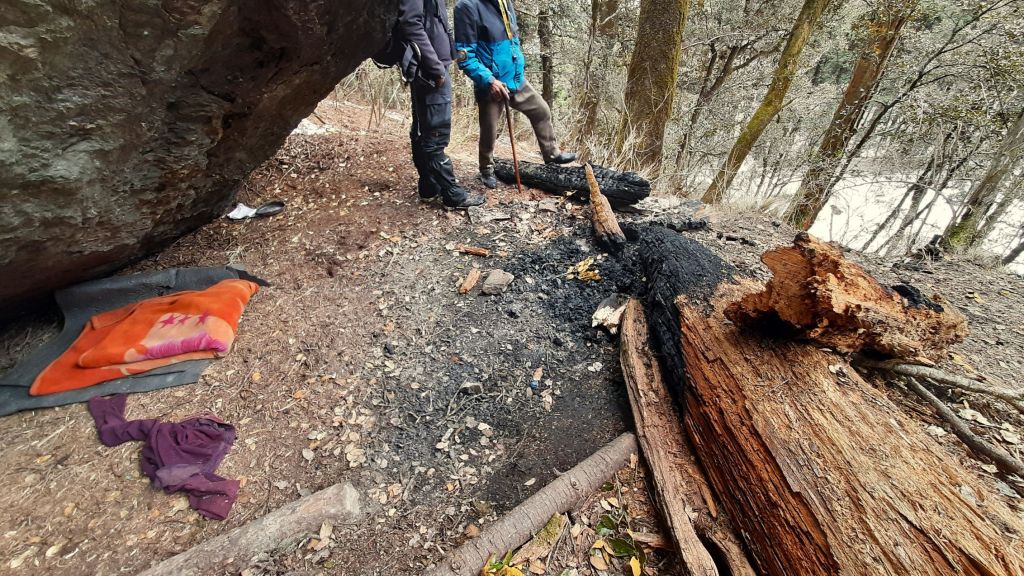
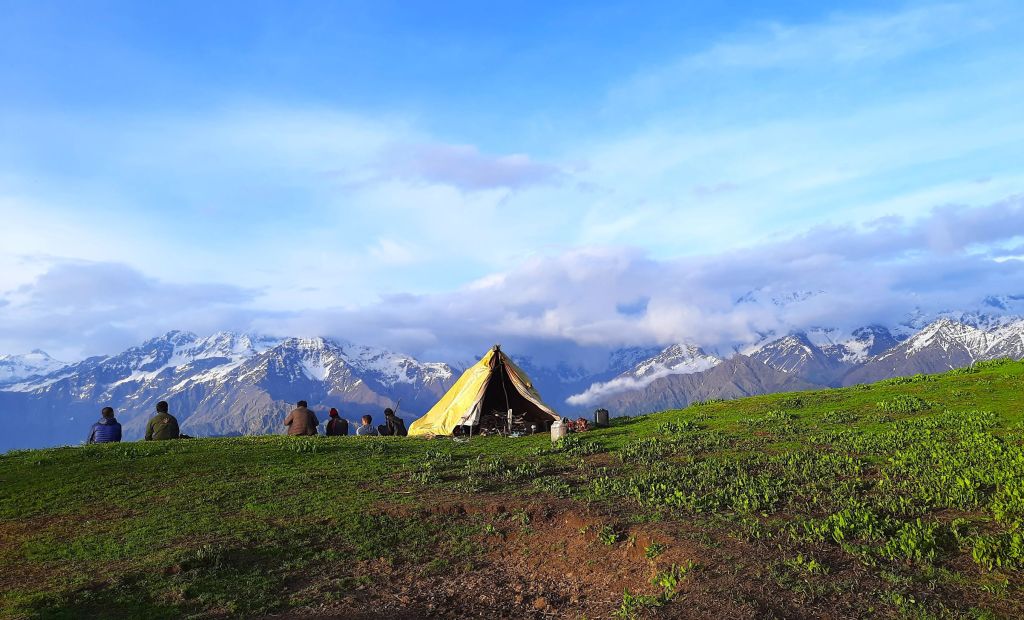
In Nordic treks, you are likely to come across only fellow campers/ trekkers. An occasional hello, nod, good day and giving of way is all that you will experience. But in Himalayan treks, you will come across herds of goats and their shepherds wandering in the remotest of locations. You will come across herb collectors, firewood collectors and the occasional (illegal) poacher! You don’t merely walk through the mountains; you encounter the people who call them home. More importantly, you talk and learn so many things from them.
Culturally rich treks
What makes Himalayan trekking particularly enriching is the window it offers into lives shaped by the mountains. Whether it is food habits, everyday life, farming and herding techniques, people’s relationship with nature, or livelihoods connected to the mountains, all of these become part of the journey, turning a trek into something more than just a “physical” and “beautiful” experience. Protected areas in the Nordic region are largely devoid of people, or rather, they are too thinly populated for us to regularly encounter locals. Though these places have rich cultural histories shaped by indigenous communities, you don’t experience them organically, unlike on Himalayan treks.
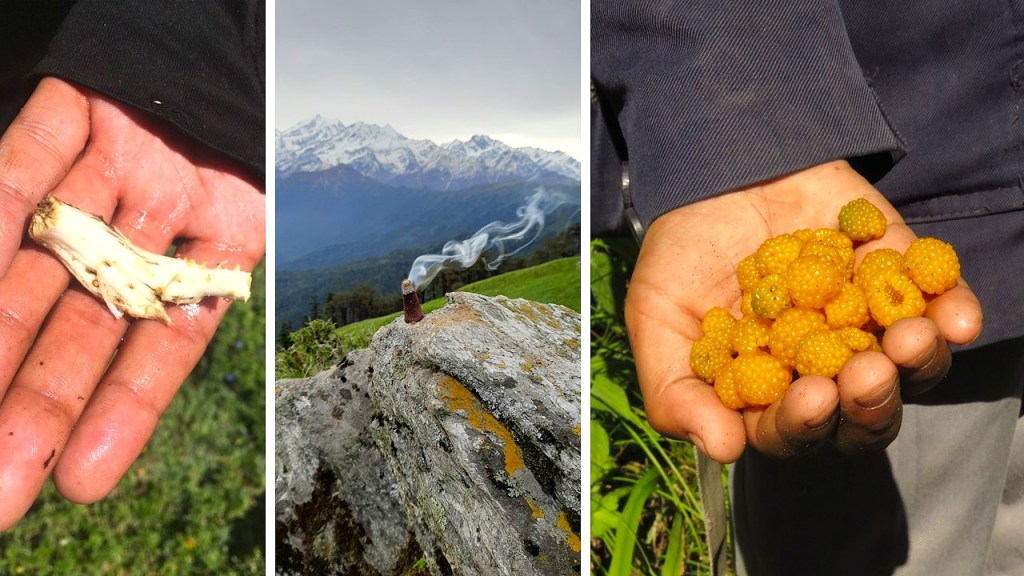
Centre) A prayer said by the locals hoping for good weather (Uttarakhand)
(Right) Wild berries which were picked up children on their way to the school (Himachal Pradesh).
Flexibility and inclusive
Himalayan treks tend to be more flexible and inclusive in terms of the people they cater to. While Nordic treks are amazingly well planned and comfortable, they also seem to assume that individuals operate on a greater degree of self-sufficiency (that is, you can manage most of the physical and logistical work yourself). However, because Himalayan trekking is such a people-driven ecosystem, there is more flexibility and inclusive in the trekking options. For example, you might be perfectly capable of walking for six or seven hours a day, but find carrying a heavy backpack, setting up camp, putting up a tent, cooking every meal and managing camp at the end of a long day too much. That doesn’t necessarily mean you have to give up on the trek. People would still like to experience nature. So Himalayan treks can support those kinds of camping experiences as well. You have the option of having long treks with porters or horses/mules carrying your gear, guides managing the logistics and cooks preparing your meals. The trek can therefore be built around your ability to walk, rather than your ability to do every single task that comes with trekking. In that sense, Himalayan trekking can be more inclusive because it allows you to participate at the level you are physically comfortable with.
It still feels rustic
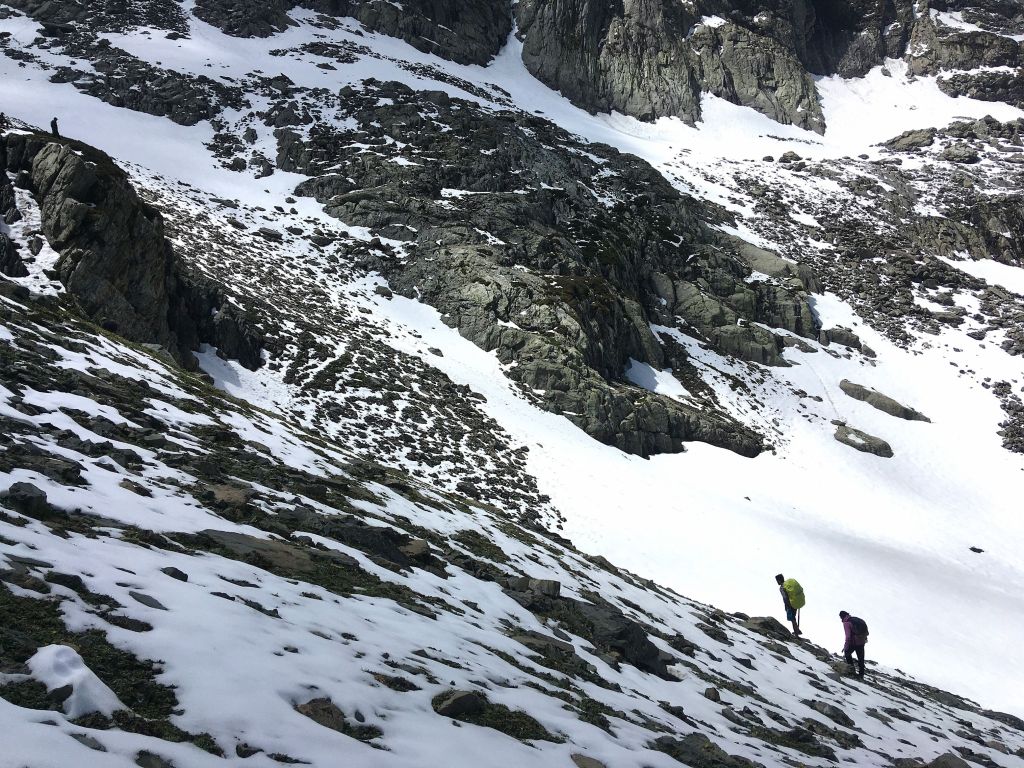
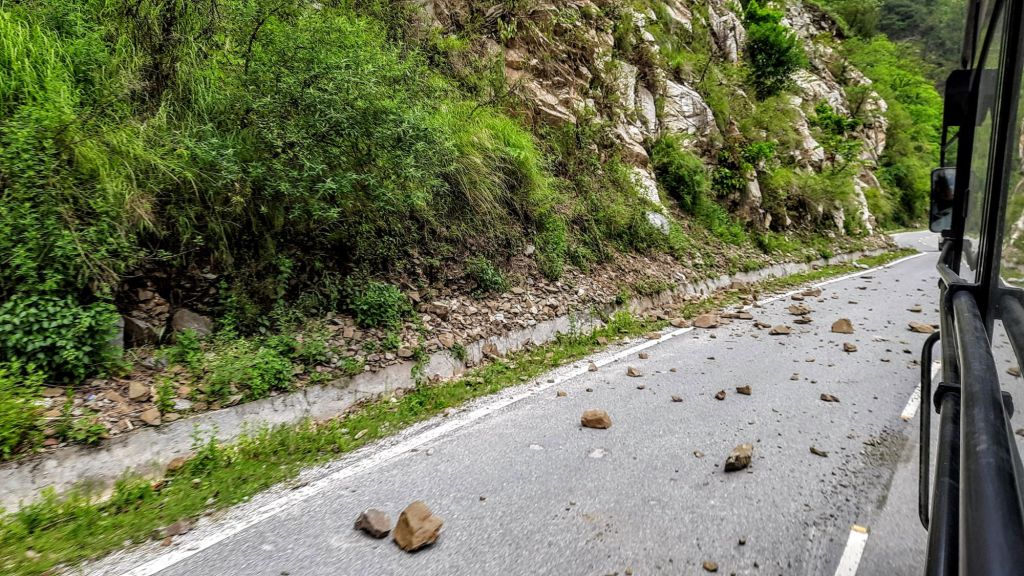
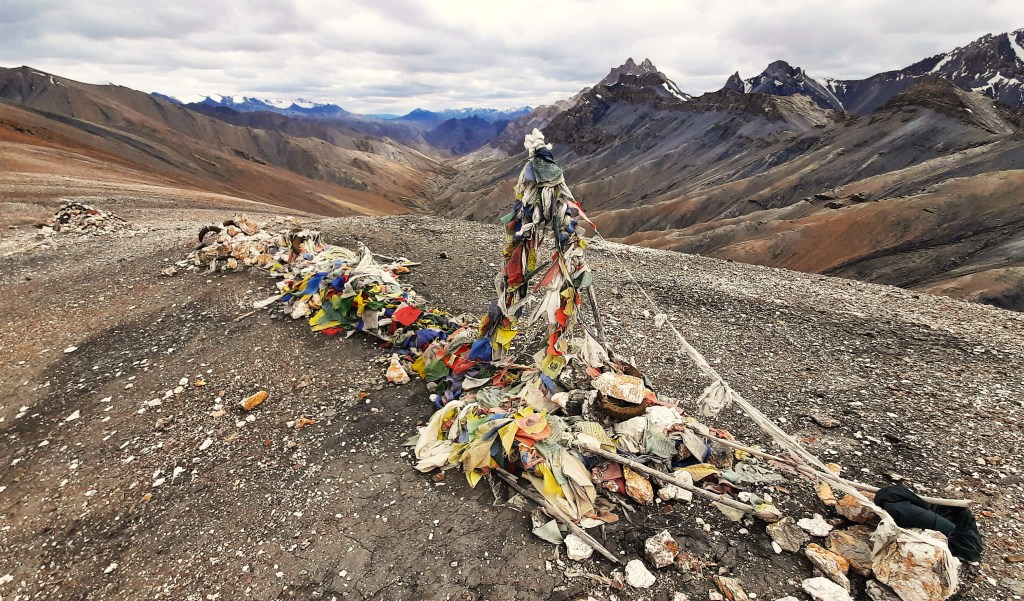
The Himalayas don’t always make things easy, and that’s precisely their charm. Trails can be rough, facilities sparse and plans unpredictable. There is quite a bit of uncertainty involved. More so, altitudes in Himalayan treks can go upto 5000m above sea level and one can notice changes in one’s breathing. But the challenges and the imperfections of logistics create a stronger feeling of adventure: you aren’t simply visiting wilderness; you’re immersed in it. As mentioned in the previous post, the journey to remote locations can be arduous and the trails can be confusing. But sometimes it is this that makes the trek more adventurous!
Conclusion: Which Is Better?
Perhaps neither and both! The Nordic approach asks how wilderness can be made accessible without compromising it. The Himalayan approach provides a more immersive experience, leaving room for uncertainty! One gives you a beautifully designed hiking experience; the other gives you the feeling that you are genuinely on an adventure! Yet the experience could hardly be more different. One embraces predictability and reliability; the other thrives on rusticity and human connection.
PS: If you missed Part 1, where I talk about all the cool things Nordic treks have to offer, go here and give it a read!
Short Stories Trip Reports cabin cats culturaldiversity earthlynotes ecotourism environment himachalpradeshtreks himalayantrekking kashmirtreks ladakhtreks naturelove natureobservation nordictrekking photography rustic sustainabletreks theearthlynotes uttarakhandtreks wilderness zerowastetreks

Earthly Notes View All →
My name is Adithi Muralidhar. I am a nature enthusiast based in Mumbai, India.


Based on both posts i would add that Nordic Treks offer solitude (from humans and sometimes animals) where you can just be with yourself while Himalayan Treks are better enjoyed as a group activity as there is a lot more uncertainty and there is safety in numbers.
LikeLike